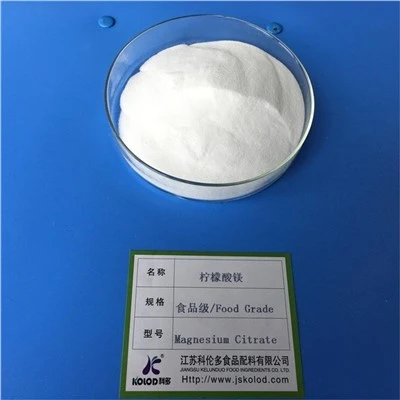
Manganese acetate, a compound with the chemical formula Mn(CH₃COO)₂, has captured the attention of researchers and industries alike due to its unique electrochemical properties. As a trusted supplier of manganese acetate, I’ve witnessed firsthand the growing interest in this compound for various applications, from battery technology to electroplating. In this blog post, I’ll delve into the electrochemical properties of manganese acetate, explore its potential applications, and discuss why it’s a valuable material for many industries. Manganese Acetate
Electrochemical Properties of Manganese Acetate
Oxidation States
Manganese is known for its multiple oxidation states, ranging from +2 to +7. In manganese acetate, manganese typically exists in the +2 oxidation state (Mn²⁺). This oxidation state is relatively stable and plays a crucial role in the compound’s electrochemical behavior. The Mn²⁺ ions can undergo oxidation to higher oxidation states under certain conditions, such as in the presence of strong oxidizing agents or during an electrochemical reaction.
Redox Reactions
One of the most significant electrochemical properties of manganese acetate is its ability to participate in redox reactions. Redox reactions involve the transfer of electrons between species, resulting in a change in oxidation states. In the case of manganese acetate, the Mn²⁺ ions can be oxidized to Mn³⁺ or even Mn⁴⁺ under appropriate conditions. For example, in an electrochemical cell, the following redox reaction can occur:
Mn²⁺ → Mn³⁺ + e⁻
This reaction releases an electron, which can be used to generate an electric current. Conversely, Mn³⁺ or Mn⁴⁺ ions can be reduced back to Mn²⁺ by accepting electrons. These redox reactions are the basis for many applications of manganese acetate in electrochemical devices.
Conductivity
Manganese acetate is a salt, and like other salts, it can conduct electricity when dissolved in a suitable solvent, such as water. When manganese acetate dissociates in water, it forms Mn²⁺ ions and acetate ions (CH₃COO⁻). These ions are free to move in the solution, allowing the solution to conduct electricity. The conductivity of a manganese acetate solution depends on several factors, including the concentration of the solution, the temperature, and the presence of other ions.
Electrochemical Stability
The electrochemical stability of manganese acetate is an important property, especially in applications where it is used in electrochemical cells. Manganese acetate is relatively stable under normal conditions, but it can undergo decomposition or side reactions under extreme conditions, such as high temperatures or in the presence of strong acids or bases. Understanding the electrochemical stability of manganese acetate is crucial for designing and optimizing electrochemical devices that use this compound.
Applications of Manganese Acetate Based on Its Electrochemical Properties
Battery Technology
One of the most promising applications of manganese acetate is in battery technology. Manganese-based batteries, such as lithium-manganese oxide (LiMn₂O₄) batteries, have gained significant attention due to their high energy density, low cost, and environmental friendliness. Manganese acetate can be used as a precursor for the synthesis of lithium-manganese oxide cathode materials. The electrochemical properties of manganese acetate, such as its ability to undergo redox reactions, make it an ideal candidate for battery applications.
Electroplating
Manganese acetate can also be used in electroplating processes. Electroplating is a technique used to deposit a thin layer of metal onto a substrate by passing an electric current through an electrolyte solution containing metal ions. Manganese acetate can be used as a source of manganese ions in electroplating solutions. The electrochemical properties of manganese acetate, such as its conductivity and ability to participate in redox reactions, make it suitable for electroplating applications.
Catalysis
Manganese acetate can act as a catalyst in various chemical reactions. Catalysts are substances that increase the rate of a chemical reaction without being consumed in the process. The electrochemical properties of manganese acetate, such as its ability to undergo redox reactions, make it a potential catalyst for oxidation and reduction reactions. For example, manganese acetate can be used as a catalyst in the oxidation of organic compounds.
Advantages of Using Manganese Acetate from Our Supply
As a supplier of manganese acetate, we take pride in offering high-quality products that meet the needs of our customers. Here are some advantages of using manganese acetate from our supply:
Purity
Our manganese acetate is produced using high-quality raw materials and advanced manufacturing processes, ensuring a high level of purity. The high purity of our manganese acetate is essential for applications where the presence of impurities can affect the performance of the final product.
Consistency
We maintain strict quality control measures to ensure the consistency of our manganese acetate products. This consistency is crucial for applications where precise control of the electrochemical properties is required.
Technical Support
Our team of experts is available to provide technical support and guidance to our customers. Whether you have questions about the electrochemical properties of manganese acetate or need assistance with product selection, we’re here to help.
Conclusion
Ferrous Oxalate Manganese acetate is a compound with unique electrochemical properties that make it suitable for a wide range of applications, from battery technology to electroplating. As a supplier of manganese acetate, we’re committed to providing high-quality products and excellent customer service. If you’re interested in using manganese acetate for your application, we invite you to contact us to discuss your requirements and explore potential partnerships. Our team of experts is ready to assist you in finding the right solution for your needs.
References
- Bard, A. J., & Faulkner, L. R. (2001). Electrochemical Methods: Fundamentals and Applications. John Wiley & Sons.
- Li, X., & Zhang, J. (2018). Manganese-based cathode materials for lithium-ion batteries. Chemical Society Reviews, 47(14), 5045-5074.
- Pourbaix, M. (1974). Atlas of Electrochemical Equilibria in Aqueous Solutions. National Association of Corrosion Engineers.
Jiangsu Kolod Food Ingredients Co., Ltd.
As one of the most professional manganese acetate manufacturers and suppliers in China, we’re featured by quality products and good price. Please rest assured to wholesale bulk manganese acetate made in China here and get free sample from our factory. Customized orders are welcome.
Address: South Side of Weier Road, Guanyun Development Zone, Lianyungang City, Jiangsu Province, China
E-mail: sales1399@jskolod.com
WebSite: https://www.kolod-group.com/
