Hey there! I’m a supplier of carding machines, and I know how important it is to keep these machines in top – notch condition. A well – maintained carding machine not only ensures high – quality output but also extends its lifespan. So, let’s dive into how you can maintain a carding machine properly. Carding Machine
Regular Cleaning
First off, cleaning is crucial. Carding machines deal with all sorts of fibers, and over time, these fibers can build up inside the machine. You should clean the machine after every shift or at least once a day if it’s running continuously.
Start by removing any loose fibers from the surface of the machine. You can use a soft brush for this. Be gentle to avoid damaging any parts. Then, focus on the carding cylinders. These are the heart of the machine, and they can get clogged with fibers. Use a special card – cleaning tool to remove the fibers from the teeth of the cylinders. It’s like flossing your teeth; you’ve got to get in there and clean out all the gunk.
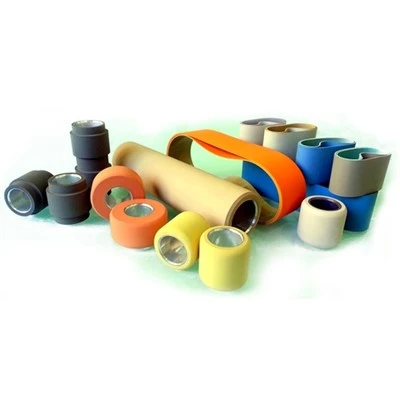
Don’t forget about the conveyor belts. Fibers can stick to them, and if not cleaned, it can affect the movement of the materials through the machine. Wipe the belts down with a clean, dry cloth regularly. Also, check the suction system. If it’s not working properly, fibers won’t be removed efficiently, leading to more build – up. Make sure the suction pipes are clear of any blockages.
Lubrication
Lubrication is another key aspect of carding machine maintenance. All the moving parts in the machine need proper lubrication to reduce friction and prevent wear and tear.
Check the lubrication points regularly. Most carding machines have a list of these points in the user manual. Use the recommended lubricant for each part. For example, some parts may require a light oil, while others need a heavier grease.
When applying lubricant, don’t overdo it. Too much lubricant can attract dust and fibers, which can cause more problems. Just apply the right amount as specified in the manual. Also, keep an eye on the lubricant levels. If they’re getting low, top them up. And make sure to change the lubricant at the recommended intervals. Old lubricant can break down and lose its effectiveness.
Inspection of Parts
Regularly inspecting the parts of the carding machine is essential. Look for any signs of wear and tear, such as cracks, chips, or excessive rust.
Start with the carding wires. These are the small, sharp wires on the cylinders that do the actual carding. Over time, they can get dull or damaged. If you notice any bent or broken wires, replace them immediately. A damaged wire can affect the quality of the carded fibers.
Check the bearings as well. Bearings allow the moving parts to rotate smoothly. If they’re worn out, the machine may start making strange noises or vibrating. Replace any faulty bearings as soon as possible.
The drive belts are also important. Check for signs of fraying or stretching. If a belt is too loose or too tight, it can affect the operation of the machine. Adjust or replace the belts as needed.
Calibration
Calibration is often overlooked but is very important for a carding machine. It ensures that the machine is producing fibers of the right quality and consistency.
You need to calibrate the carding gap. This is the distance between the carding cylinders. If the gap is too wide or too narrow, the fibers won’t be carded properly. Use a feeler gauge to measure the gap and adjust it according to the specifications in the manual.
Also, calibrate the speed of the machine. Different types of fibers may require different speeds for optimal carding. Make sure the machine is running at the right speed for the fibers you’re working with.
Operator Training
Proper operator training is a big part of maintaining a carding machine. A well – trained operator knows how to use the machine correctly, which reduces the risk of damage.
Train your operators on how to start and stop the machine properly. Teach them how to load and unload materials without causing any stress to the machine. Also, make sure they know how to recognize the signs of a problem, such as unusual noises or vibrations.
Encourage operators to report any issues they notice immediately. The earlier a problem is detected, the easier it is to fix.
Record – Keeping
Keep a maintenance record for your carding machine. This can help you track when maintenance tasks were done, what parts were replaced, and any issues that were encountered.
You can use a simple spreadsheet to record this information. Include details like the date of maintenance, the type of maintenance (cleaning, lubrication, etc.), and any notes about the condition of the machine.
This record – keeping is useful for several reasons. It helps you plan future maintenance tasks, and it can also be valuable if you need to show the history of the machine to a potential buyer or for warranty purposes.
Troubleshooting
Even with regular maintenance, problems can still occur. Knowing how to troubleshoot common issues can save you a lot of time and money.
If the machine is producing uneven fibers, it could be due to a problem with the carding gap or the speed. Check these settings and adjust them as needed.
If there’s a strange noise coming from the machine, it could be a sign of a loose part or a worn – out bearing. Stop the machine immediately and inspect it.
If the machine won’t start, check the power supply and the control panel. Make sure all the switches are in the correct position.
Preventive Maintenance
In addition to regular maintenance, you should also have a preventive maintenance plan. This involves scheduling major maintenance tasks at regular intervals, such as a full inspection and servicing of the machine every few months or once a year.
During a preventive maintenance check, a professional technician can perform a thorough inspection of the machine. They can identify potential problems before they become serious and replace any parts that are showing signs of wear.
A preventive maintenance plan can help you avoid costly breakdowns and keep your carding machine running smoothly for a long time.
Final Thoughts
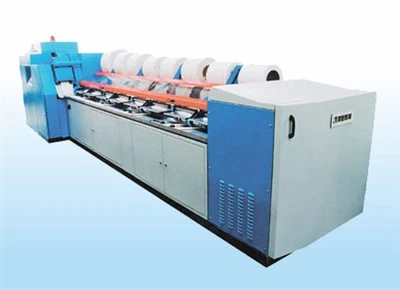
Maintaining a carding machine requires a combination of regular cleaning, lubrication, inspection, calibration, operator training, record – keeping, troubleshooting, and preventive maintenance. By following these steps, you can ensure that your carding machine is always in good working condition.
Combing Machine If you’re in the market for a new carding machine or need more advice on maintenance, I’m here to help. Feel free to reach out to me for more information or to discuss your specific needs. We can talk about the best carding machine for your business and how to keep it running at its best.
References
- Carding Machine User Manuals
- Industry – specific maintenance guides for textile machinery
- Technical papers on carding machine operation and maintenance
Shandong Hongye Machinery Co., Ltd.
Shandong Hongye Machinery Co., Ltd. is one of the most professional carding machine manufacturers and suppliers in China, featured by quality products and low price. Please rest assured to buy advanced carding machine in stock here and get quotation from our factory. Also, 1 year warranty is available.
Address: Room 1104, Building No. 2, Haier Yunjie, No. 99 Chongqing South Road, Qingdao, China
E-mail: sales@seavincn.com
WebSite: https://www.sdhymachinery.com/
