Hey there! I’m a supplier of other process chemicals, and today I wanna chat about the handling procedures for different grades of these chemicals. It’s super important to get these procedures right, ’cause it can affect not only the quality of the chemicals but also the safety of everyone involved. Other Process Chemicals

Understanding Chemical Grades
First off, let’s talk about what we mean by different grades of other process chemicals. Chemical grades are basically a way to classify chemicals based on their purity, quality, and intended use. The most common grades you’ll come across are reagent grade, technical grade, and food grade.
Reagent grade chemicals are the purest. They’re used in laboratories for things like research and analysis. These chemicals have to meet really strict quality standards, and even the tiniest impurity can mess up an experiment. So, when you’re handling reagent grade chemicals, you gotta be extra careful.
Technical grade chemicals are a bit less pure. They’re used in industrial processes, like manufacturing and cleaning. They don’t need to be as pure as reagent grade chemicals, but they still need to be of a certain quality to work properly.
Food grade chemicals are used in the food industry. They have to be safe for human consumption, so they’re held to high standards of purity and safety. You wouldn’t want to use a chemical that’s got harmful contaminants in your food, right?
Handling Reagent Grade Chemicals
Let’s start with reagent grade chemicals. Since these are so pure, you need to keep them that way. First of all, you gotta store them in a clean, dry place. A lot of these chemicals are sensitive to moisture, so you might want to use desiccants to keep the air dry.
When you’re handling them, always wear the right protective gear. That means gloves, goggles, and a lab coat. You don’t want any of these chemicals getting on your skin or in your eyes. And make sure you’re working in a well – ventilated area. Some reagent grade chemicals can give off fumes that are harmful to breathe in.
When you’re measuring out these chemicals, use clean, calibrated equipment. You don’t want to introduce any impurities from dirty equipment. And be really precise with your measurements. Even a small error can affect the results of your experiment.
If you spill a reagent grade chemical, clean it up right away. Use the appropriate spill – clean – up materials, like absorbent pads. And make sure you dispose of the contaminated materials properly. You can’t just throw them in the regular trash.
Handling Technical Grade Chemicals
Technical grade chemicals are used in industrial settings, so the handling procedures are a bit different. First, storage is key. These chemicals are often stored in large containers, like drums or tanks. You need to make sure these containers are in good condition. Check for any signs of leaks or damage regularly.
When it comes to transporting technical grade chemicals, you need to follow all the safety regulations. That means using the right type of vehicle and making sure the chemicals are properly secured. You don’t want them shifting around during transport and causing a spill.
When you’re using these chemicals in a process, make sure you have the right equipment. For example, if you’re mixing them, use a mixer that’s designed for the type of chemicals you’re working with. And always follow the instructions for the equipment.
Safety is also a big deal with technical grade chemicals. Just like with reagent grade chemicals, you need to wear protective gear. But in an industrial setting, you might need more heavy – duty gear, like hard hats and steel – toed boots. And make sure there are emergency response plans in place in case of a spill or accident.
Handling Food Grade Chemicals
Food grade chemicals are used in the food industry, so safety and purity are of the utmost importance. When you’re storing food grade chemicals, you need to keep them separate from other chemicals. You don’t want any cross – contamination.
The storage area should be clean and well – maintained. It should also be at the right temperature and humidity. Some food grade chemicals need to be stored in a cool, dry place, while others might need to be refrigerated.
When you’re handling food grade chemicals, you need to be extra clean. Wash your hands thoroughly before and after handling them. And use clean equipment that’s specifically designed for food use. You don’t want any food – borne illnesses to be caused by the chemicals you’re using.
If you’re using food grade chemicals in a food manufacturing process, you need to follow all the food safety regulations. That means keeping accurate records of how much of the chemical you’re using, when you’re using it, and where it’s coming from.
Quality Control
No matter what grade of other process chemicals you’re handling, quality control is essential. You need to make sure the chemicals you’re supplying or using meet the required standards.
For reagent grade chemicals, this might involve regular testing in a laboratory. You want to check for things like purity, pH level, and the presence of any contaminants.
With technical grade chemicals, quality control might involve inspecting the containers for any signs of damage or leakage. You also want to test the chemicals to make sure they’re performing as expected in the industrial process.
For food grade chemicals, quality control is even more important. You need to make sure the chemicals are safe for human consumption. This might involve testing for things like heavy metals, bacteria, and other harmful substances.
Training and Education
Another important aspect of handling different grades of other process chemicals is training and education. Everyone who works with these chemicals needs to know how to handle them safely and properly.
For employees in a laboratory setting, they need to be trained on things like proper measurement techniques, safety procedures, and how to clean up spills.
In an industrial setting, employees need to be trained on how to operate the equipment safely, how to transport the chemicals, and what to do in case of an emergency.
For those working with food grade chemicals, they need to be trained on food safety regulations, proper storage, and handling techniques.
Why Choose Us?
As a supplier of other process chemicals, we take all these handling procedures seriously. We’ve got a team of experts who know how to handle different grades of chemicals safely and efficiently.
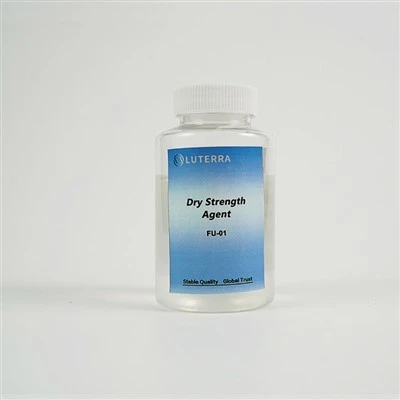
We make sure our chemicals are stored properly, and we do regular quality control checks. Whether you need reagent grade chemicals for your lab, technical grade chemicals for your industrial process, or food grade chemicals for your food business, we’ve got you covered.
Sizing Agent If you’re in the market for other process chemicals, we’d love to have a chat with you. We can help you figure out the right grade of chemicals for your needs and make sure you’re getting the best quality. So, don’t hesitate to reach out and start a conversation about your procurement needs.
References
- "Chemical Safety Handbook", various authors
- "Food Industry Chemicals: Standards and Regulations", industry publication
- "Industrial Chemical Handling Best Practices", trade journal articles
Luterra Advanced Materials Co., Ltd.
We are one of the most experienced process chemicals manufacturers and suppliers in China, also support customized service. With a professional production team, we are able to meet the needs of the majority of our customers. Please feel free to buy high quality process chemicals made in China here from our factory.
Address: East End of Jingting Road, Caterpillar Industrial Zone, Qingzhou City, Weifang City, Shandong Province, China
E-mail: info@luterra-chem.com
WebSite: https://www.luterra-chem.com/
