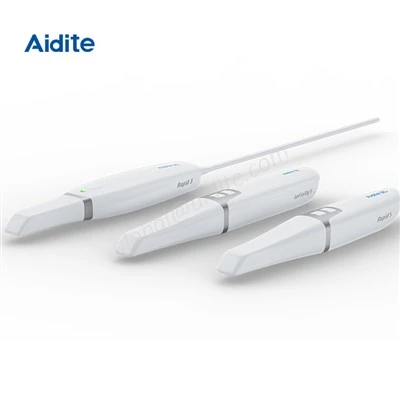
As a dental consumable supplier, I often encounter the question of how to properly dispose of expired dental consumables. This is not only an important issue for environmental protection but also for ensuring the safety and quality of dental practices. In this blog post, I will share my knowledge and experiences on this topic, hoping to provide some guidance for dental professionals and other stakeholders. Dental Consumable
Understanding the Risks of Expired Dental Consumables
Before discussing the disposal methods, it’s crucial to understand why expired dental consumables need to be disposed of properly. Expired products may pose several risks:
- Reduced Efficacy: Over time, the chemical and physical properties of dental consumables can change, leading to a decrease in their effectiveness. For example, expired dental adhesives may not bond as well, which can affect the longevity of dental restorations.
- Microbial Contamination: Expired products are more likely to be contaminated with bacteria, fungi, or other microorganisms. This can increase the risk of infections in patients and dental staff.
- Allergic Reactions: The degradation of certain components in expired dental consumables may cause allergic reactions in patients. For instance, expired dental impression materials may release harmful chemicals that can trigger skin rashes or respiratory problems.
Types of Dental Consumables and Their Disposal Considerations
Dental consumables can be broadly classified into several categories, each with its own disposal requirements:
- Single – use Items: These include dental syringes, needles, cotton rolls, and disposable bibs. Most single – use dental items are considered medical waste and should be disposed of in accordance with local medical waste management regulations. In general, they should be placed in a puncture – resistant, leak – proof container marked as medical waste.
- Dental Materials: Such as dental composites, cements, and impression materials. Expired dental materials may contain chemicals that can be harmful to the environment. Some of these materials may need to be treated as hazardous waste. For example, mercury – containing amalgam waste should be collected and recycled properly to prevent mercury pollution.
- Dental Equipment Accessories: Items like handpiece burs, prophylaxis cups, and brushes. These can be sharp and may carry biological contaminants. They should be disposed of as medical or sharp waste, usually in a sharps container.
Disposal Methods for Expired Dental Consumables
- Segregation: The first step in disposing of expired dental consumables is to separate different types of waste. This ensures that each type of waste can be handled appropriately. For example, separate sharp items from non – sharp items and hazardous waste from non – hazardous waste.
- Contacting a Waste Disposal Provider: Most dental practices and suppliers do not have the facilities to handle the disposal of expired dental consumables on their own. Therefore, it’s essential to contract with a licensed medical or hazardous waste disposal company. These companies have the expertise and equipment to handle the disposal safely and in compliance with environmental regulations.
- Recycling: Some dental consumables can be recycled. For example, metal dental instruments and amalgam waste can be recycled to recover valuable materials. When sending items for recycling, make sure to use a certified recycling facility to ensure proper handling.
- Proper Documentation: Keep detailed records of the disposal process, including the type and quantity of expired consumables, the date of disposal, and the name of the disposal company. This documentation is important for regulatory compliance and auditing purposes.
Regulatory Compliance
Disposal of expired dental consumables is subject to a variety of local, state, and federal regulations. In the United States, for example, the Occupational Safety and Health Administration (OSHA), the Environmental Protection Agency (EPA), and state health departments have specific rules regarding medical waste management.
- OSHA Regulations: OSHA’s Bloodborne Pathogens Standard requires dental practices to establish procedures for handling and disposing of potentially infectious waste. This includes proper storage, labeling, and transportation of medical waste.
- EPA Regulations: The EPA regulates the disposal of hazardous waste, including certain dental materials. Dental practices must ensure that they are not releasing harmful chemicals into the environment through improper waste disposal.
- State and Local Regulations: In addition to federal regulations, state and local governments may have their own rules regarding dental waste disposal. It’s important to stay informed about these regulations and ensure compliance.
Training and Education
Proper disposal of expired dental consumables requires training and education for dental staff. Dental providers should provide regular training sessions on waste management, including the correct segregation, storage, and disposal of different types of dental waste.
- New Employee Training: When new employees join the dental practice, they should receive comprehensive training on waste management procedures. This will help them understand the importance of proper disposal and how to follow the correct steps.
- Ongoing Training: Regular refresher courses should be provided to keep staff up – to – date on the latest regulations and best practices in waste disposal. This can include updates on new types of dental consumables and their disposal requirements.
Collaboration with Suppliers
As a dental consumable supplier, I play an important role in helping dental practices manage their expired products. We can collaborate with dental practices in the following ways:
- Product Information: Provide detailed information about the shelf life and storage conditions of our products. This will help dental practices better manage their inventory and reduce the amount of expired products.
- Take – back Programs: Consider implementing take – back programs for certain products. This allows dental practices to return expired or unused products to the supplier for proper disposal or recycling.
- Educational Resources: Offer educational resources, such as brochures and online materials, to help dental staff understand the proper disposal methods for our products.
Conclusion
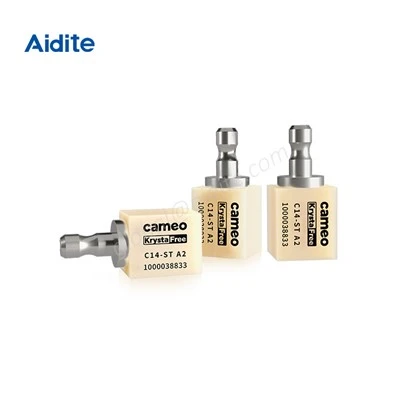
Proper disposal of expired dental consumables is a complex but essential task. It requires a combination of proper segregation, correct disposal methods, regulatory compliance, and staff training. As a dental consumable supplier, I am committed to assisting dental practices in managing their expired products in an environmentally friendly and safe manner.
Sintering and Porcelain Furnace If you are a dental professional or involved in the dental industry, and you are interested in discussing more about our dental consumables, the best way to handle expired products, or if you are looking to make a purchase, I encourage you to reach out. We are here to offer you high – quality dental consumables and professional guidance on waste management.
References
- Centers for Disease Control and Prevention (CDC). Dental Infection Prevention Summary.
- Occupational Safety and Health Administration (OSHA). Bloodborne Pathogens Standard.
- Environmental Protection Agency (EPA). Hazardous Waste Management Regulations.
Aidite (Qinhuangdao) Technology Co., Ltd.
Aidite (Qinhuangdao) Technology Co., Ltd. is one of the most professional dental consumable manufacturers and suppliers in China, featured by quality products and good service. Please rest assured to buy bulk dental consumable at competitive price from our factory. Also, quotation is available.
Address: No.9 Dushan Road, Economic and Technological Development Zone, Qinhuangdao, Hebei Prov., China
E-mail: global@aidite.com
WebSite: https://www.aiditeglobal.com/
