Yo! I’m here as a supplier of Special Transformers, and I get the struggle of picking the right one for a specific project. It’s not just about grabbing any transformer off the shelf. There are tons of factors to think about. In this blog, I’m gonna walk you through all the key things you need to consider so you can make a smart choice. Special Transformer
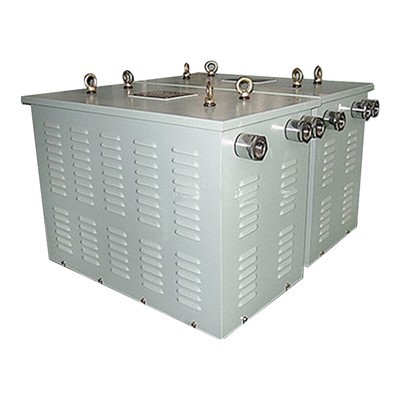
Let’s start with understanding your project requirements first. What’s the power you need? This is super important. You gotta know the exact amount of electrical power your project is gonna consume. For instance, if you’re working on a small electronic device like a tablet charger, you won’t need a high – power transformer. On the other hand, if it’s an industrial project, like a large manufacturing plant, you’re gonna need a transformer that can handle a massive amount of power. You can find out the power requirements by looking at the specifications of all the electrical equipment in your project. Just add up the power ratings of each device, and you’ll get a ballpark figure.
Next up is the voltage. You need to match the input and output voltages correctly. The input voltage is the voltage that comes from the power source, and the output voltage is what you need to supply to your project. For example, if your power source provides 220V, but your project requires 12V, you need a transformer that can step down the voltage from 220V to 12V. It’s essential to get this right because if the voltage is too high, it can damage your equipment; if it’s too low, your equipment may not work properly.
Another thing to keep in mind is the frequency. In most of the world, the standard frequency for electrical power is either 50Hz or 60Hz. You need to make sure the transformer you choose is designed to work at the frequency of your power source. A transformer working at the wrong frequency may overheat, lose efficiency, or even stop working altogether.
The type of load in your project also matters a lot. There are two main types of loads: resistive and inductive. Resistive loads, like incandescent light bulbs, have a relatively simple electrical characteristic. They mainly convert electrical energy into heat. Inductive loads, such as motors, have coils that create a magnetic field. Transformers work differently with these two types of loads. For inductive loads, you need a transformer that can handle the additional electrical effects caused by the magnetic field. It might need to have a higher capacity than what you’d calculate based on the pure power consumption to avoid overheating.
Now, let’s talk about the transformer’s efficiency. Efficiency is all about how well the transformer converts the input power into output power. A more efficient transformer wastes less energy as heat. This is not only good for the environment but also saves you money in the long run. You can look at the efficiency ratings provided by the manufacturer. Usually, a transformer with a higher efficiency rating will cost more upfront, but it’ll pay off over time through lower energy bills.
The size of the transformer is another practical consideration. You need to make sure it fits into the space you’ve allocated for it in your project. A large transformer may not be suitable for a small installation like a wall – mounted electrical box. And if you’re working on a mobile project, like an electric vehicle charging system, you’ll need a compact and lightweight transformer.
The ambient temperature and environment where the transformer will be located are also crucial. If the transformer is going to be in a hot environment, like an industrial furnace room, it needs to be able to withstand high temperatures without losing its performance. Some transformers are designed to be waterproof or dust – proof, which is useful if they’re going to be installed outdoors or in a dirty industrial environment.
When it comes to the construction of the transformer, there are different types. You’ve got oil – immersed transformers and dry – type transformers. Oil – immersed transformers are good at dissipating heat and are often used in high – power applications. But they require more maintenance because of the oil. Dry – type transformers, on the other hand, are safer and easier to maintain, and they’re often used in indoor applications where there’s a risk of fire or where you can’t have oil leakage.
Now, here’s the thing about the cost. You might be tempted to go for the cheapest option, but that’s not always the best choice. A cheap transformer may lack the quality and performance you need for your project. You need to balance the cost with the quality, features, and reliability of the transformer. Look at the long – term cost, including the energy consumption and maintenance costs. Sometimes, spending a bit more upfront on a high – quality transformer will save you a lot of money in the long run.
As a Special Transformer supplier, I’ve seen firsthand the importance of getting these factors right. We’ve got a wide range of transformers, and I can help you find the one that fits your project like a glove. Whether it’s a unique voltage requirement, a special load characteristic, or a harsh environment, we’ve got the expertise to offer the right solution.
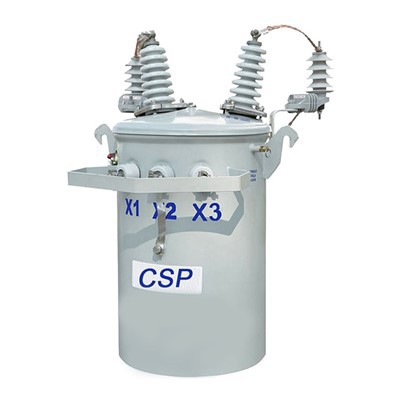
If you’re working on a project and you’re scratching your head about which Special Transformer to choose, don’t hesitate to reach out. I’m here to chat, answer your questions, and help you make the best decision for your project. Just drop me a message and we can start talking about your specific needs. Let’s get your project up and running with the perfect Special Transformer.
Structural Transformer References:
- Electrical Engineering Principles textbook
- Industry reports on transformer technology
- Manufacturer’s specifications for various special transformers
Nantong Yawei New Energy Technology Co., Ltd.
As one of the most professional special transformer manufacturers and suppliers in China, we’re featured by quality products and good service. Please rest assured to wholesale durable special transformer made in China here from our factory. Customized orders are welcome.
Address: Room 28-101, Building 27 and 28, No.333 Kaiyuan Avenue, Sunzhuang Subdistrict, Hai’an City, Nantong City, Jiangsu Province, China
E-mail: admin@nantongyawei.com
WebSite: https://www.nantongyawei.com/
