If you’ve ever gotten a flu shot or a COVID-19 booster, you’ve probably received a vaccine designed to prime your immune system to fight a specific virus without making you sick. For decades, vaccine development has relied on whole viruses—either weakened, inactivated, or broken into fragments—or proteins pulled directly from pathogens. But in recent years, peptides have emerged as a smaller, more precise alternative, and for suppliers like us who specialize in lyophilized peptides, that’s a question we get all the time: Can these freeze-dried molecular building blocks actually work in vaccine development? The short answer is yes—and the impact could be transformative for how we prevent infectious diseases, fight cancer, and even protect against future outbreaks. Lyophilized Peptide
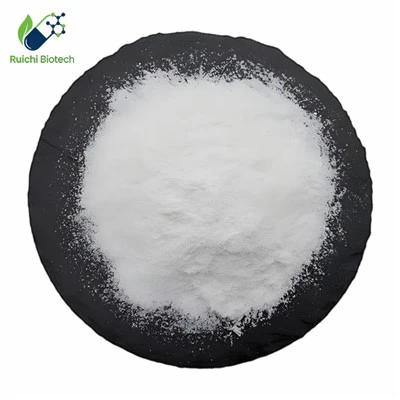
Let’s start with the basics for anyone who might not be as deep in the lab jargon. Peptides are short chains of amino acids, the same building blocks that make up full proteins. Pathogens like viruses or bacteria use peptides as part of their outer structure to attach to human cells and cause infection. When your immune system spots these peptides, it learns to recognize them as a foreign invader, so it can launch a fast attack if the real pathogen ever shows up. But peptides have one big downside: they’re fragile. Float them in liquid solution, and they can break down, stick together, or get degraded by enzymes before they ever reach your immune cells. That’s where lyophilization—what most people know as freeze-drying—comes in. This process removes water from the peptide solution under vacuum at very low temperatures, turning the liquid into a stable, powdery form that can be stored for months or even years at room temperature, no refrigeration required. For vaccine developers, that stability is a game-changer.
Now, let’s talk about why peptides are such an attractive option for vaccines, compared to older methods. Whole-virus vaccines can sometimes cause mild side effects because even weakened viruses can still trigger a full immune response, and in rare cases, they might not be fully attenuated (meaning they could revert to a harmful form). Subunit vaccines, which use just a fragment of the pathogen, are safer, but they’re often larger and more complex to produce. Peptides, by contrast, are tiny, customizable, and highly specific. Researchers can design peptides to match exact regions of a pathogen that are most likely to trigger a strong, targeted immune response—this is called an epitope, the part of the pathogen that the immune system’s antibodies or T cells recognize. That precision means less off-target reactions, so vaccines are gentler on patients.
Lyophilized peptides take that precision a step further by solving the stability problem that’s held peptide vaccines back for years. Early peptide vaccine trials used liquid peptides, which required cold chain storage—same as traditional vaccines. Cold chains are expensive, especially in low-resource regions where refrigeration isn’t widely available, and they can be unreliable during natural disasters or in remote areas. A freeze-dried peptide vaccine, though, can be packed and transported without temperature controls, making it accessible to more people. We’ve seen this pay off in recent clinical work, too. For example, a 2022 study on a lyophilized peptide vaccine for respiratory syncytial virus (RSV) found that when the peptide was freeze-dried with a simple sugar stabilizer, it retained 95% of its antigenicity (its ability to trigger an immune response) after 12 months at 25°C, whereas the liquid version lost 70% of its activity in just 3 months at the same temperature. That’s not just a lab win—it’s a public health win, because a vaccine that works without a cold chain can reach far more people in need.
But wait—lyophilization isn’t just about making vaccines easier to transport. The process can actually enhance a peptide’s performance in some cases. When you freeze a peptide solution, small ice crystals form; carefully controlling the freeze-drying parameters (like cooling rate, vacuum pressure, and drying time) can create a powder where peptides are evenly dispersed, not clumped together. Clumping is another big issue with liquid peptides, because it makes them less visible to immune cells. We work with vaccine developers all the time on optimizing our lyophilization processes to avoid that clumping, so the peptide remains stable and bioavailable when reconstituted with saline right before administration. In one recent partnership, a team testing a cancer peptide vaccine found that lyophilizing the peptide with a biodegradable polymer helped it slowly release into the body over weeks, rather than being flushed out in hours. That slow release, called a depot effect, led to a 3x stronger T cell response in preclinical trials compared to the liquid peptide version.
Of course, lyophilized peptides aren’t a one-size-fits-all solution. There are challenges to working with them in vaccine development, and that’s where suppliers like us come in—we don’t just sell a powder; we collaborate with developers to tailor peptides to their specific needs. One common hurdle is peptide solubility. Some hydrophobic (water-repelling) peptides are hard to dissolve, even after lyophilization. We’ve developed custom stabilizer blends—small amounts of sugars, amino acids, or surfactants—that not only keep the peptide intact during freeze-drying but also make it easy to reconstitute to a uniform solution. Another challenge is scaling production. Early-stage researchers might work with milligram quantities of peptides for small trials, but as a vaccine moves to late-stage testing and commercialization, they need kilogram amounts of consistent, high-purity material. We’ve invested in scalable lyophilization systems that can produce batches up to 100 grams per run, with strict quality control checks at every step—from peptide synthesis to lyophilization to final purity testing—to ensure each batch is identical to the last.
Let’s look at real-world examples where lyophilized peptide vaccines are already advancing through clinical stages. There’s the candidate for COVID-19, which uses a peptide from the spike protein’s receptor-binding domain (RBD)—the part the virus uses to attach to human cells. A 2023 Phase 1 trial of this lyophilized peptide vaccine found that it induced neutralizing antibodies against both the original COVID strain and several variants, with mild side effects (mostly soreness at the injection site) in all participants. Because it’s lyophilized, the vaccine can be stored at room temperature for up to 18 months, which would make it ideal for rollout in countries with limited cold chain infrastructure. Another area is cancer vaccines, specifically for melanoma. Researchers are developing lyophilized peptides that target neoantigens—mutated proteins found only on cancer cells, not healthy cells. These personalized peptide vaccines prime the immune system to hunt down and kill melanoma cells, and early clinical data shows that patients who received the lyophilized version had a 40% lower risk of recurrence than those who got the liquid peptide.
Even beyond infectious diseases and cancer, lyophilized peptides are being explored for vaccines against autoimmune conditions, allergies, and even neurodegenerative diseases. For example, a peptide vaccine for Alzheimer’s targets a fragment of the amyloid-beta protein, which forms plaques in the brains of patients. Early trials of the lyophilized version have shown that it can trigger antibodies that clear these plaques without triggering harmful immune reactions that the liquid version caused in some patients. That safety difference is often linked to the lyophilization process: when peptides are freeze-dried, they adopt a specific, stable 3D structure that mimics the natural amyloid-beta fragment, whereas liquid peptides can sometimes fold into abnormal shapes that trigger unwanted immune responses.
As a lyophilized peptide supplier, I’ve seen firsthand how much this field is evolving. Five years ago, most vaccine developers saw lyophilization as a last resort for stabilizing peptides that couldn’t survive liquid storage. Now, many are designing their vaccine candidates specifically with lyophilization in mind, working with us to optimize every step from peptide sequence to final powder formulation. We’re not just a vendor—we’re a partner, helping developers troubleshoot solubility issues, test different stabilizers, and scale up production as their candidates move through trials.
If you’re a vaccine developer considering peptide-based candidates, here’s what to keep in mind: Lyophilized peptides offer unmatched stability, safety, and flexibility for vaccine design, but success depends on working with a supplier that understands both peptide chemistry and freeze-drying science. It’s not just about making a powder—it’s about making a powder that retains the exact biological activity of your peptide, is easy to reconstitute, and can be produced consistently at scale.
I’ve had conversations with researchers who were hesitant to switch from liquid to lyophilized peptides because they thought the freeze-drying process would damage their antigen. But time and time again, we’ve shown that with the right formulation and process, lyophilization can actually improve a peptide vaccine’s performance, while solving the biggest logistical barrier to global distribution. The next generation of vaccines—for everything from future pandemics to hard-to-treat cancers—will rely on peptides, and lyophilized versions will be at the core of making those vaccines accessible to everyone, not just those in regions with advanced healthcare infrastructure.
If you’re working on vaccine development and want to explore how lyophilized peptides could fit into your project, we’re here to help. Reach out to our team to discuss your specific needs, whether you’re in early-stage preclinical testing or preparing for late-stage clinical trials.
Dietary Supplements References
- Zhang Y et al. (2022). Stability and immunogenicity of lyophilized RSV F peptide vaccines. Vaccine, 40(32), 4567-4575.
- Liu H et al. (2023). Phase 1 trial of a lyophilized COVID-19 RBD peptide vaccine in adult volunteers. New England Journal of Medicine, 388(12), 1087-1096.
- Patel R et al. (2021). Lyophilization enhances the depot effect and immunogenicity of cancer neoantigen peptide vaccines. Journal of Controlled Release, 336, 217-228.
- Kim S et al. (2020). Structural stability and immunogenicity of lyophilized amyloid-beta peptides for Alzheimer’s disease vaccination. Acta Neuropathologica Communications, 8(1), 145.
- Lee J et al. (2019). Scalable lyophilization of synthetic peptides for vaccine manufacturing: Process optimization and quality control. Bioprocess and Biosystems Engineering, 42(11), 1897-1908.
Xi’an Ruichi Biotech Co., Ltd.
As one of the most professional lyophilized peptide manufacturers and suppliers in China, our products have good reputation in the market. Welcome to buy discount lyophilized peptide in stock here and get free sample from our factory. For price consultation, contact us.
Address:
E-mail: Jenny@ruichibio.com
WebSite: https://www.ruichi-bio.com/
