If you’re in construction, you know moving big-ticket materials—think steel beams, prefab concrete panels, heavy machinery, or even whole modular building units—from China to Australia isn’t just “shipping stuff.” As a guy who’s run a large-item logistics service between these two countries for 8 years, I’ve seen it all: containers getting stuck at ports because of wrong paperwork, heavy loads getting damaged during transit, clients panicking because their build timeline is slipping. This isn’t like sending a small parcel of tools or office supplies—you can’t just slap a label on it and call it a day. Let me walk you through the messy, real-world steps that actually work, no fancy jargon or empty promises. Large-item Logistics From China To Australia
First off, before you even book a truck (or a ship, for that matter), you need to get super specific about what you’re moving. A lot of construction folks I talk to just say “steel beams” but don’t mention their exact length—like, is it 12 meters or 20? That makes a huge difference because Australian ports and roads have strict load limits. Oh, and don’t skip the weight either. A 15-ton prefab wall panel is way different from a 5-ton one. I once had a client who tried to fudge the weight of their modular kitchen units to save a few bucks on quotes—ended up paying double in extra fees because the ship’s stowage team flagged it and had to rearrange the entire container stack at the last minute. Trust me, be 100% transparent with your logistics provider about every single detail: dimensions, weight, even any weird angles or protruding parts (like extra brackets on steel beams) that could get caught on something during transport.
Next up, the paperwork. This is where most people mess up big time, and it’s not just because of bad forms. Australia has some really strict biosecurity and customs rules for construction materials, especially anything made of wood (like temporary formwork) or with metal parts that could carry dirt or pests. You need a specific Phytosanitary Certificate for any organic materials, plus a Customs Declaration that lists every item’s value, country of origin, and what it’s used for. I’ve had clients send over formwork panels without the right phytocert—they got held up at the Port of Melbourne for 18 days, and their whole site shut down because they didn’t have the materials to pour concrete. Here’s a pro tip: work with a provider that has a local Australian compliance team, not just a bunch of guys in China who fill out forms. My team has lived in Sydney and Brisbane for years, so we know exactly what the Australian Border Force and Department of Agriculture, Water and the Environment are looking for. We’ll even do a pre-check of all your docs a week before shipment so there are no last-minute surprises.
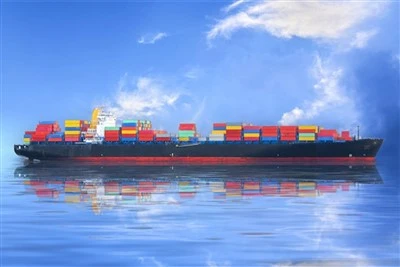
Then comes the actual shipping part—how do you get a huge item like a 20-meter steel beam from a factory in Shanghai to a construction site in Perth? Regular 20ft or 40ft shipping containers won’t work here. You need either an open-top container (perfect for tall or long items) or even breakbulk shipping, which is when your load is too big to fit in a standard container and gets loaded onto a ship’s deck or into a separate hold. Wait, but road transport in Australia has its own rules. Even if it fits on a ship, you might need special permits to move it on a truck from the port to the site. For example, if you’re moving a 18-meter concrete beam from the Port of Brisbane to a site in Gold Coast, you can’t just drive it during the day—you need a night-only permit, and you have to escort it with police or pilot cars so it doesn’t hit power lines or street signs. That’s a whole extra step most first-time importers forget, and it’s why using a provider that handles door-to-door service (not just port-to-port) is key. We coordinate all of that: factory pickup in China, stowing the load correctly on the ship, arranging the Australian port handling, road permits, and final delivery to your site. No need for you to call 10 different companies to figure it out—we do the legwork.
Now, damage control. Large construction materials are expensive, and a scratch on a steel beam or a crack in a prefab panel can set your project back weeks. I’ve seen a lot of providers just wrap items in basic plastic and call it “secure.” That’s not good enough. For big, heavy items, you need custom crating or securing. For example, we use heavy-duty steel frames for steel beams that tie into the container’s lashing points, and we put shock-absorbent foam on any corners that might rub against the container walls. For prefab concrete panels, we wrap them in weatherproof, tear-resistant fabric and then strap them down with heavy-duty chains that can withstand rough seas. Also, make sure your logistics provider has cargo insurance that actually covers large items. Some cheap shipping plans only cover standard containers up to a certain weight, which is way less than what your construction materials are worth. We offer tailored cargo insurance that covers the full value of your load, including any damage that happens during transit, port handling, or road transport. Just last year, a client’s modular bathroom unit got scratched when it was being loaded onto a truck in Sydney—our insurance covered the repair, and we got a replacement part sent out from our local Australian warehouse in 3 days, so the client didn’t have to wait for a new unit from China.
Another thing a lot of people overlook is timing. Construction projects run on tight schedules, and delaying a shipment of materials can cost you thousands in penalty fees for missing project deadlines. When shipping from China to Australia, the basic transit time is around 18-22 days by sea, but that can get longer if there are port strikes, weather delays (like typhoons in the South China Sea or storms off the Australian coast), or customs holds. We always build in a buffer of 5-7 extra days into our timelines, and we track your load 24/7—our team sends you real-time updates every step of the way, so you know exactly where your materials are and when they’ll arrive. If there’s a delay, we let you know right away and work on a solution, not leave you in the dark. For urgent projects, we also offer air freight options, though that’s more expensive for large items. We’ll give you a quote for both sea and air so you can pick what fits your budget and timeline.
Wait, let’s talk about local vs. Chinese providers. A lot of construction folks in Australia think using a local Australian logistics company is better, but most of them don’t have experience handling large items coming from China—they outsource the shipping to Chinese providers anyway, and they mark up the price. That’s where we come in: we’re based in China, with a team on the ground in Australia, so we can cut out the middleman. We have long-term relationships with ship lines and port operators in both countries, which means we get better rates and priority handling for large loads. We also speak both Mandarin and English fluently, so there’s no miscommunication between the factory in Guangzhou and the construction site in Melbourne. No more “my supplier says the shipment left the port, but my Australian provider says it’s not here” confusion.
Oh, and don’t forget about after-delivery. Once the materials get to your site, you need someone who knows how to unload them safely. Large items like modular units need special cranes and skilled operators to avoid damage. We can arrange for on-site unloading services too—our team works with trusted crane operators and riggers across all major Australian cities, so you don’t have to scramble to find a crew at the last minute. We even do a quick check of the load when it’s delivered to make sure everything is intact, so you can sign off on it right there, no disputes later.
Look, I get that dealing with large-item logistics is stressful. You’re already juggling schedules, budgets, and a million other things on your construction project. The last thing you need is a shipment of steel beams getting stuck at a port or damaged because someone cut corners on packing. As a guy who’s been doing this for years, I’ve learned that the best way to handle it is to be upfront, detailed, and work with a provider who knows both China and Australia inside and out. We don’t do fancy marketing—we just do the work, keep your materials safe, and get them to your site on time.

If you’re planning a project and need to move large construction materials from China to Australia, hit us up to chat. We’ll give you a transparent quote, break down all the steps, and answer any questions you have—no pressure, no fine print.
Large-item Logistics From China To Australia References:
- Australian Border Force. (2023). Importing construction goods into Australia: Compliance requirements.
- Department of Infrastructure, Transport, Regional Development, Communications and the Arts. (2022). Heavy vehicle and load standards for road transport in Australia.
- International Maritime Organization. (2021). Guidelines for the transport of large and heavy cargo by sea.
Shenzhen Kuaihui International Logistics Co., Ltd.
Shenzhen Kuaihui International Logistics Co., Ltd. is a leading China-Australia dedicated logistics service provider in China. As a professional agent and platform, we are committed to providing high quality large-item logistics from china to australia with low price. Welcome to contact us for pricelist.
Address: 3rd Floor, Building 6, Nanbiantou Industrial Zone, Xifang, Songgang Street, Bao’an District, Shenzhen City, Guangdong Province
E-mail: info@kkhwl.com
WebSite: https://www.kuaihuiexp.com/
