Hey there! I’m a supplier of tubular modules, and today I want to chat about how the porosity of these tubular modules can have a big impact on their performance. Tubular Modules
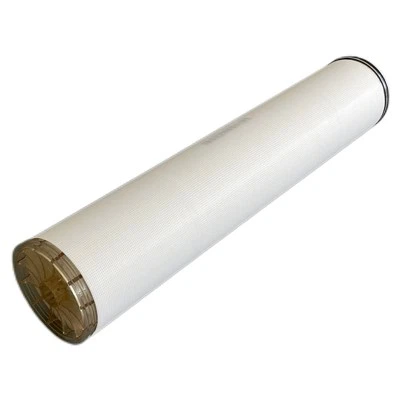
Let’s start by understanding what porosity is. In simple terms, porosity refers to the amount of empty space or pores within the structure of a tubular module. These pores can vary in size, shape, and distribution. And trust me, these little pores play a huge role in how well the tubular module works.
1. Filtration Efficiency
One of the most important aspects where porosity affects performance is in filtration. You see, when we’re using tubular modules for filtration purposes, the pores act as gatekeepers. If the porosity is too low, meaning there are fewer and smaller pores, it can lead to a really slow filtration process. The fluid or particles we’re trying to filter have a hard time passing through those tiny spaces. It’s like trying to pour a thick liquid through a really fine sieve – it just takes forever.
On the other hand, if the porosity is too high, with large and numerous pores, we might not get the level of filtration we need. The larger pores can allow unwanted particles to pass through, reducing the overall efficiency of the filtration. For example, in a water treatment plant, if the tubular module has overly large pores, it won’t be able to remove small contaminants like bacteria and viruses effectively.
So, finding the right balance of porosity is crucial for achieving optimal filtration efficiency. We need to design tubular modules with pores that are small enough to trap the particles we want to remove but large enough to allow the fluid to flow through at a reasonable rate.
2. Permeability
Porosity also has a direct impact on the permeability of the tubular module. Permeability is all about how easily a fluid can pass through the material. A higher porosity generally means higher permeability because there are more open spaces for the fluid to move through.
But here’s the thing – it’s not just about having a high porosity. The connectivity of the pores matters too. If the pores are isolated from each other, even if there are a lot of them, the fluid won’t be able to flow through smoothly. We need the pores to be interconnected, creating a network that allows the fluid to move freely.
In applications where we need a high flow rate, like in some industrial processes, we want tubular modules with high porosity and good pore connectivity. This ensures that the fluid can pass through quickly without much resistance. However, we also have to be careful not to sacrifice the strength and integrity of the module in the process.
3. Mechanical Strength
Believe it or not, porosity can also affect the mechanical strength of tubular modules. As the porosity increases, the amount of solid material in the module decreases. This means there’s less material to hold the structure together, and the module becomes more prone to damage.
For example, if we have a tubular module with extremely high porosity, it might be very fragile and break easily under pressure. This is a big problem, especially in applications where the module has to withstand high pressures or mechanical stresses.
So, when designing tubular modules, we have to find a sweet spot between porosity and mechanical strength. We need to ensure that the module has enough pores for good performance but also enough solid material to maintain its structural integrity.
4. Fouling Resistance
Fouling is another issue that can be influenced by the porosity of tubular modules. Fouling occurs when particles or contaminants build up on the surface or inside the pores of the module, reducing its performance over time.
A module with a well – designed porosity can help prevent fouling. If the pores are the right size and shape, they can prevent large particles from getting stuck and causing blockages. Additionally, a module with good pore connectivity can allow for better backwashing, which is a process used to remove the fouling material.
On the other hand, if the porosity is not optimized, fouling can become a major problem. For instance, if the pores are too small, they can easily get clogged by small particles, and if they’re too large, the particles can penetrate deep into the module, making it difficult to clean.
5. Chemical Compatibility
The porosity of tubular modules can also affect their chemical compatibility. In some applications, the module comes into contact with different chemicals. The pores can act as channels for these chemicals to penetrate the material.
If the porosity is too high, the chemicals might be able to penetrate the module more easily, which can lead to chemical degradation. This can weaken the module and reduce its performance. On the other hand, if the porosity is too low, the module might not be able to handle the flow of chemicals effectively, which can also cause problems.
So, when choosing the porosity of tubular modules for chemical applications, we need to consider the nature of the chemicals and how they will interact with the material.
How We, as Suppliers, Handle Porosity
As a supplier of tubular modules, we take porosity very seriously. We use advanced manufacturing techniques to control the porosity of our modules. We can adjust the size, shape, and distribution of the pores to meet the specific needs of our customers.
We also conduct extensive testing on our modules to ensure that they have the right balance of porosity, filtration efficiency, permeability, mechanical strength, fouling resistance, and chemical compatibility. This way, we can provide our customers with high – quality tubular modules that perform well in their applications.
Wrapping It Up and Reaching Out
So, as you can see, the porosity of tubular modules has a significant impact on their performance. Whether it’s filtration, permeability, mechanical strength, fouling resistance, or chemical compatibility, getting the porosity right is crucial.
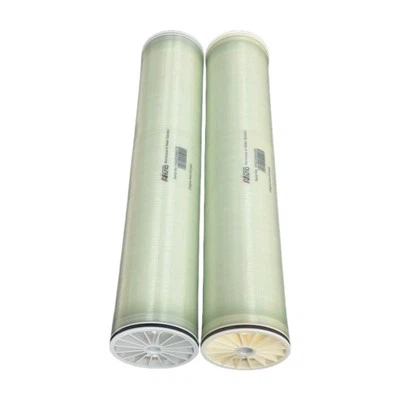
If you’re in the market for tubular modules and want to learn more about how our products can meet your specific requirements, don’t hesitate to reach out. We’re here to help you find the perfect tubular modules for your application. We can have a detailed discussion about your needs and show you how our products can make a difference.
Nanofiltration Membrane Let’s start a conversation and see how we can work together to achieve your goals.
References
- Smith, J. (2018). "Filtration Technology and Porosity in Tubular Modules." Journal of Industrial Filtration, 25(3), 123 – 135.
- Johnson, A. (2019). "The Impact of Porosity on the Permeability of Tubular Membranes." Membrane Science Review, 12(2), 78 – 89.
- Brown, C. (2020). "Mechanical Strength and Porosity in Tubular Modules." Materials Engineering Journal, 30(4), 201 – 212.
Hangzhou Nanoimp Environmental Technology Co., Ltd.
With abundant experience, we are one of the most professional tubular modules manufacturers and suppliers in China. Welcome to wholesale high quality tubular modules in stock here and get pricelist from our factory. We also accept customized orders.
Address: Road 25, Baiyang Street, Qiantang District, Hangzhou City, Zhejiang Province
E-mail: keith.wang@nano-sepmer.com
WebSite: https://www.nanoimp-membrane.com/
