Cavitation in a fan impeller is a phenomenon that can have significant implications for the performance, efficiency, and lifespan of fan systems. As a fan impeller supplier, I’ve witnessed firsthand the challenges and consequences that cavitation presents. In this blog, I’ll delve into what cavitation is, its causes, effects, and most importantly, how to avoid it. Fan Impeller

Understanding Cavitation in Fan Impellers
Cavitation occurs when the local pressure in a liquid drops below its vapor pressure, causing the formation of vapor bubbles. In the context of a fan impeller, as the impeller rotates, it creates areas of high and low pressure around its blades. When the pressure in certain regions of the fluid flowing across the impeller drops below the vapor pressure of the fluid, vapor bubbles form. These bubbles are carried along by the fluid flow until they enter a region of higher pressure, where they implode violently.
The root cause of this pressure drop often lies in the design and operation of the fan impeller. High impeller speeds, improper blade design, or incorrect system flow conditions can all contribute to areas of low pressure. For example, if an impeller is rotating too quickly, the centrifugal force can cause the fluid to accelerate rapidly, leading to a decrease in pressure at the blade surfaces. Similarly, poorly designed blades may create flow patterns that result in localized regions of low pressure.
Visualizing Cavitation
Cavitation is not always visible to the naked eye, but its effects can be quite dramatic. In some cases, you might notice a cloud of small bubbles around the impeller blades, especially near the tips or leading edges. This is a clear sign that cavitation is occurring. Over time, the continuous implosion of these bubbles can cause erosion on the impeller surface. The impeller blades may start to show signs of pitting and wear, which can eventually lead to structural damage.
Effects of Cavitation
The impact of cavitation on a fan impeller and the overall fan system is far – reaching.
Performance Degradation
One of the most immediate effects is a decline in fan performance. As the impeller blades erode due to cavitation, their aerodynamic shape is altered. This change in shape disrupts the smooth flow of air or fluid through the fan, reducing its efficiency. The fan may struggle to deliver the required volume of air or fluid, leading to a drop in system performance.
Noise and Vibration
Cavitation is also a major source of noise and vibration. The sudden implosion of vapor bubbles creates shock waves that propagate through the fluid and into the impeller structure. These shock waves can cause the impeller to vibrate, and this vibration can be transmitted to the entire fan assembly and the connected equipment. The noise generated can be quite loud, making it a nuisance in industrial and commercial settings. Excessive vibration can also lead to premature wear of bearings, seals, and other components, increasing maintenance costs and the risk of system failure.
Reduced Lifespan
The long – term effect of cavitation is a significant reduction in the lifespan of the fan impeller. The continuous erosion of the blade material weakens the impeller structure. Eventually, the blades may become so damaged that they break off, leading to catastrophic failure of the fan. This not only requires costly replacement of the impeller but also results in downtime for the system, which can have a significant impact on productivity.
How to Avoid Cavitation
As a fan impeller supplier, I understand the importance of providing solutions to prevent cavitation. Here are some key strategies:
Proper Impeller Design
The design of the impeller plays a crucial role in preventing cavitation. Engineers need to carefully consider factors such as blade shape, size, and pitch. A well – designed impeller will create a more uniform pressure distribution across its blades, minimizing the formation of low – pressure regions. For example, using blades with a more streamlined shape can reduce the likelihood of flow separation and the associated pressure drops. Computational Fluid Dynamics (CFD) simulations are often used during the design process to optimize the impeller geometry and predict potential cavitation issues.
Optimal Operating Conditions
Operating the fan within its recommended parameters is essential for avoiding cavitation. This includes maintaining the correct speed, flow rate, and pressure. Running the fan at speeds that are too high can increase the risk of cavitation, as it can cause excessive pressure drops. Similarly, operating the fan outside of its designed flow range can lead to unstable flow patterns and cavitation. Regular monitoring of system parameters such as pressure, flow rate, and temperature can help ensure that the fan is operating under optimal conditions.
Fluid Properties
The properties of the fluid being handled by the fan can also affect cavitation. For example, the vapor pressure of the fluid is a critical factor. Fluids with higher vapor pressures are more prone to cavitation. In some cases, it may be possible to adjust the fluid properties to reduce the risk of cavitation. For instance, increasing the fluid temperature can lower its viscosity and improve its flow characteristics, but this needs to be balanced with the potential increase in vapor pressure.
System Design and Installation
The overall system design and installation also play a role in preventing cavitation. Proper piping layout, valve sizing, and the use of flow control devices can help ensure smooth and stable fluid flow. For example, a well – designed intake system can prevent the formation of air pockets or swirls in the fluid, which can contribute to cavitation. Additionally, installing pressure – regulating valves can help maintain a stable pressure in the system, reducing the likelihood of pressure drops that could lead to cavitation.
Conclusion
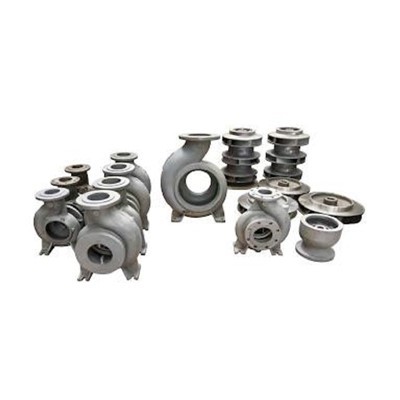
Cavitation in a fan impeller is a complex issue that can have serious consequences for fan performance and reliability. As a fan impeller supplier, I’m committed to providing high – quality impellers and offering expert advice on how to avoid cavitation. By understanding the causes and effects of cavitation and implementing the right prevention strategies, you can ensure the efficient and long – lasting operation of your fan systems.
Fan Impeller If you’re in the market for fan impellers and want to ensure that your systems are protected from cavitation, I’d be delighted to discuss your specific needs. We can work together to select the right impeller design and develop a solution that meets your requirements for performance, efficiency, and reliability. Feel free to reach out to us for more information and to start a procurement conversation.
References
- Bernhardt, R. L., & Flack, R. D. (1998). Cavitation in Fluid Machinery and Hydraulic Structures. ASME.
- Brennen, C. E. (1995). Cavitation and Bubble Dynamics. Oxford University Press.
- Stepanoff, A. J. (1957). Centrifugal and Axial Flow Pumps: Theory, Design and Application. Wiley.
Shandong Shunye Stainless Steel Co., Ltd.
Shandong Shunye Stainless Steel Co., Ltd. is one of the most professional fan impeller manufacturers and suppliers in China, also supports customized service. Welcome to buy bulk cheap fan impeller made in China here and get quotation from our factory. For price consultation, contact us.
Address: Shandong Province, Binzhou City, Wudi County, Liubao Town, Zhangdong Road, Duliucun Village
E-mail: sales@wdshunye.com
WebSite: https://www.shunyecasting.com/
