Are there any sweeteners that are good for bone health? Sweeteners
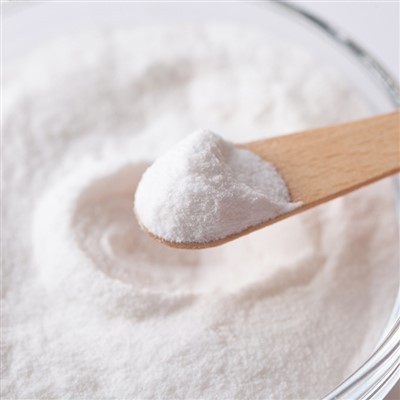
As a supplier of sweeteners, I am often asked about the health implications of the products we offer. One question that has been coming up more frequently lately is whether there are any sweeteners that are good for bone health. It’s a fascinating topic that combines the worlds of nutrition and the sweetener industry, and I’m excited to delve into it.
The importance of bone health cannot be overstated. Our bones provide the framework for our bodies, protect our vital organs, and store essential minerals like calcium and phosphorus. As we age, our bones naturally start to lose density, which can lead to conditions like osteoporosis. A balanced diet rich in nutrients, especially calcium, vitamin D, and magnesium, is crucial for maintaining strong and healthy bones. But where do sweeteners fit into this picture?
Let’s first take a look at the most common sweeteners on the market and their potential effects on bone health.
Table Sugar (Sucrose)
Table sugar is perhaps the most well – known sweetener. It is made up of glucose and fructose. While sugar itself doesn’t have any direct negative impact on bone health, excessive consumption can lead to weight gain, diabetes, and dental problems. Obesity is a risk factor for many health issues, and some studies have suggested that it can also have a complex relationship with bone health. In some cases, the inflammation associated with obesity can affect bone metabolism. Additionally, a diet high in sugar may displace other nutrient – rich foods in the diet, leading to a deficiency in bone – building nutrients.
High – Fructose Corn Syrup (HFCS)
HFCS is widely used in the food and beverage industry due to its low cost and high sweetness. Similar to table sugar, it contains glucose and fructose, but in different proportions. Some research has shown that high intake of HFCS can contribute to insulin resistance, which may indirectly affect bone health. Insulin plays a role in bone metabolism, and insulin resistance can disrupt the normal balance of bone formation and resorption.
Artificial Sweeteners
Artificial sweeteners such as aspartame, saccharin, and sucralose are much sweeter than sugar and contain few or no calories. They are often used as sugar substitutes for people looking to reduce their calorie intake. As of now, there is limited evidence to suggest that these artificial sweeteners have a direct impact on bone health. However, some animal studies have raised concerns. For example, some research on rats has shown that certain artificial sweeteners may alter the gut microbiota, which in turn could affect the body’s ability to absorb nutrients important for bone health. But human studies are still scarce and inconclusive.
Stevia
Stevia is a natural sweetener derived from the leaves of the Stevia rebaudiana plant. It is much sweeter than sugar and has zero calories. What’s interesting about stevia is that it may have some potential benefits for bone health. Some in – vitro studies have shown that stevia extracts can stimulate the growth of osteoblasts, the cells responsible for bone formation. Additionally, stevia may have antioxidant and anti – inflammatory properties, which can help protect bone tissue from damage. However, more clinical studies are needed to confirm these effects in humans.
Xylitol
Xylitol is a sugar alcohol that has a sweetness similar to table sugar. It is often used in sugar – free chewing gums and candies. Xylitol has some unique properties that make it potentially beneficial for bone health. It can enhance calcium absorption in the body, which is essential for maintaining strong bones. In some animal studies, xylitol supplementation has been associated with increased bone mineral density. Human studies have also shown some positive results. For example, a study on post – menopausal women found that xylitol supplementation combined with calcium and vitamin D improved bone health markers compared to a group taking only calcium and vitamin D.
So, are there sweeteners that are good for bone health? While the answer is not straightforward, xylitol and stevia show some promise. However, it’s important to note that no sweetener should be considered a magic bullet for bone health. A balanced diet that includes a variety of nutrient – rich foods, along with regular physical activity, is still the best way to support bone health.
At our company, we are committed to providing high – quality sweeteners that not only satisfy your sweet tooth but also have potential health benefits. We understand the growing demand for sweeteners that are not only low in calories but also contribute to overall well – being. That’s why we offer a range of sweeteners, including stevia and xylitol.
Our stevia is sourced from the finest Stevia rebaudiana plants and is processed using state – of – the – art technology to ensure its purity and quality. It is a great alternative to sugar for those who are looking to reduce their calorie intake without sacrificing sweetness. Our xylitol is produced from natural sources and undergoes strict quality control measures to guarantee its safety and effectiveness.

If you are interested in incorporating these sweeteners into your product line, or if you are a consumer looking for healthier sweetening options, we would love to hear from you. We can provide samples for testing and offer technical support to ensure that our sweeteners meet your specific needs. Contact us to start a conversation about how our sweeteners can be a part of your bone – healthy diet or product formulation.
Preservatives References
- Heaney, R. P. (2000). Calcium, dairy products, and bone health. The American Journal of Clinical Nutrition, 72(5), 1359S – 1363S.
- Tappy, L., & Lê, K. A. (2010). Metabolic effects of fructose and the worldwide increase in obesity. Physiological Reviews, 90(1), 23 – 46.
- Maki, K. C., Davidson, M. H., Umporowicz, D. M., & Dicklin, M. R. (2008). Xylitol – containing chewing gum and bone mineral density in post – menopausal women: a pilot study. Nutrition Research, 28(10), 673 – 678.
- Park, S. Y., & Jeong, S. H. (2012). Effects of stevioside on the proliferation and differentiation of osteoblast – like MC3T3 – E1 cells. Journal of Medicinal Food, 15(10), 887 – 892.
Sinoright International Trade Co., Ltd.
We’re well-known as one of the leading sweeteners manufacturers and suppliers in China, featured by quality products and good price. With abundant experience, we warmly welcome you to buy bulk sweeteners for sale here from our factory.
Address: NO.13-1 HESHUOYUAN, GANJINGZI DIST, DALIAN,CHINA
E-mail: harry.du@sinoright.net
WebSite: https://www.sinoright-chemicals.com/
