Hey there! I’m a supplier of aramid conveyor belts, and today I wanna chat about something that’s super important in our industry: the weight of an aramid conveyor belt. Aramid Conveyor Belt
First off, let’s get into what aramid is. Aramid is this amazing synthetic fiber that’s known for its high strength and low weight. It’s used in all sorts of stuff, like bulletproof vests and aerospace applications. When it comes to conveyor belts, aramid brings some really cool benefits to the table.
The weight of an aramid conveyor belt matters a whole lot. For one thing, it affects how much energy your conveyor system uses. A lighter belt means less power is needed to move it, which can save you some serious cash on your electricity bills. Imagine running a big warehouse or a manufacturing plant with dozens of conveyors. Over time, those energy savings can really add up.
Another reason the weight is crucial is in terms of the overall wear and tear on your conveyor system. A heavier belt puts more stress on the rollers, bearings, and motors. This can lead to more frequent breakdowns and maintenance, which means downtime and extra costs. On the flip side, a lighter aramid conveyor belt is easier on the equipment, so it lasts longer and keeps your operations running smoothly.
Now, how is the weight of an aramid conveyor belt determined? Well, there are a few factors involved. The first is the thickness of the belt. Thicker belts generally weigh more, but they also tend to be more durable and able to handle heavier loads. So, it’s a bit of a balancing act. You gotta figure out what thickness is right for your specific application.
The width of the belt is another factor. Obviously, wider belts are going to weigh more than narrower ones. But again, you need to consider what you’re using the belt for. If you’re moving large, bulky items, you’ll probably need a wider belt. Just keep in mind that you’ll also be dealing with a heavier belt overall.
The length of the belt also plays a role. The longer the belt, the more material you have, and the more it’s going to weigh. And depending on how your conveyor system is set up, a longer belt might require more support and stronger motors to keep it moving.
Let’s talk a bit about the actual weight range of aramid conveyor belts. This can vary widely depending on the factors I just mentioned. Generally speaking, for a standard-width, medium-thickness aramid conveyor belt, you’re looking at a weight of around 1.5 to 3 pounds per square foot. But if you’ve got a really thick belt or a super-wide one, it could weigh a lot more.
One of the great things about aramid is that it has a really high strength-to-weight ratio. That means it can be incredibly strong while still being relatively light. For example, compared to a traditional rubber conveyor belt of the same strength, an aramid belt can be up to 50% lighter. This is a huge advantage, especially in applications where weight is a major concern, like in food processing or electronics manufacturing.
In the food industry, for instance, the weight of the conveyor belt can impact the cleanliness of the system. A lighter belt is easier to clean and disinfect, which is crucial for food safety. And in electronics manufacturing, the precise movement of the conveyor is often required, and a lighter belt allows for more accurate control.
When it comes to choosing the right aramid conveyor belt for your business, you’ve got to think about your specific needs. What kind of load are you going to be carrying? How fast does the belt need to move? What kind of environment is the conveyor going to be operating in? All these questions will help you determine the right weight and specifications for your aramid conveyor belt.
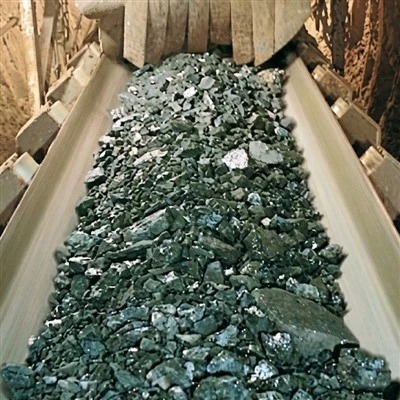
For example, if you’re in a mining operation, you’re probably dealing with heavy loads of rocks and minerals. In this case, you’ll want a thicker, heavier aramid conveyor belt that can withstand the rough treatment. On the other hand, if you’re in a packaging plant, you might be moving lighter items like boxes or bags, so a lighter belt would be more suitable.
As a supplier, I’ve seen all sorts of situations. Some companies are looking for the lightest belt possible to save on energy costs, while others need a really heavy-duty belt to handle tough jobs. And that’s where my expertise comes in. I can help you figure out the perfect aramid conveyor belt for your business.
Whether you’re just starting out or you’re looking to upgrade your existing conveyor system, I’m here to assist. I’ve got a wide range of aramid conveyor belts in different weights, thicknesses, and widths. And I can work with you to customize a belt that meets your exact requirements.
If you’re interested in learning more about aramid conveyor belts and how the weight can affect your operations, don’t hesitate to reach out. We can have a chat about your needs, and I can give you some recommendations on the best belt for your situation.
So, if you think an aramid conveyor belt could be a good fit for your business, let’s start the conversation. I’m eager to help you find the right solution and get your conveyor system running at its best.
Solid Woven Conveyor Belt References:
- Textbooks on conveyor belt technology
- Industry research papers on aramid materials and their applications in conveyor belts
Alumina Technology (Qingdao) New Materials Co., Ltd.
As one of the most professional aramid conveyor belt manufacturers and suppliers in China, we also support customized service. With abundant experience, we warmly welcome you to buy aramid conveyor belt for sale here and get quotation from our factory. For price consultation, contact us.
Address: No.448, Jiangshan South Road, Huangdao District, Qingdao City, Shandong Province
E-mail: Gloria.zhang@contitech.cn
WebSite: https://www.altechconveyorbelt.com/
