As a seasoned provider in the packing machine industry, I understand the paramount importance of proper cleaning for these machines. A well – maintained packing machine not only ensures the quality of the packed products but also extends the machine’s lifespan, reduces downtime, and enhances overall productivity. In this blog, I’ll share comprehensive insights on how to clean a packing machine properly. Packing Machine
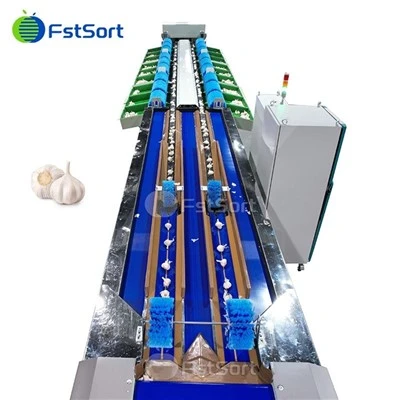
Pre – cleaning Preparation
Before you start the actual cleaning process, it’s crucial to take some preparatory steps. First and foremost, ensure the machine is completely powered off. This is a fundamental safety measure to prevent any accidental start – up during cleaning, which could lead to serious injuries. Unplug the machine from the power source or switch off the circuit breaker dedicated to it.
Next, gather all the necessary cleaning supplies. You’ll typically need a variety of tools such as soft – bristle brushes, microfiber cloths, cleaning solvents, and lubricants (if required). Choose cleaning solvents that are specifically designed for the materials used in your packing machine. For example, if your machine has stainless – steel components, use a stainless – steel cleaner that won’t damage the surface. Avoid using abrasive materials that can scratch or damage the machine’s parts.
Exterior Cleaning
The exterior of the packing machine is the first area to clean. Start by removing any loose debris, dust, or product residue from the machine’s surface. Use a soft – bristle brush to gently sweep away the particles. Pay special attention to corners, crevices, and areas where dust tends to accumulate.
Once the loose debris is removed, dampen a microfiber cloth with a mild cleaning solution. Wring out the cloth thoroughly to avoid excessive moisture on the machine. Wipe down the entire exterior surface of the machine, including the control panel, frames, and guards. For stubborn stains, you can use a slightly stronger cleaning solution, but always test it on a small, inconspicuous area first to ensure it doesn’t cause any damage.
After wiping, dry the machine with a clean, dry microfiber cloth. This helps prevent water stains and corrosion, especially on metal parts. If the machine has any painted surfaces, be careful not to use harsh cleaners that can strip the paint.
Cleaning the Conveyor System
The conveyor system is a critical part of the packing machine, as it transports products through the packing process. Over time, it can accumulate dirt, grease, and product residues. Begin by removing any large debris from the conveyor belt. You can use a brush or compressed air to dislodge the particles.
For a more thorough clean, use a cleaning solution that is suitable for the conveyor belt material. If it’s a rubber belt, look for a rubber – specific cleaner. Apply the cleaner to the belt and use a soft – bristle brush to scrub gently. Pay attention to the areas where the belt meets the rollers, as these areas can collect a significant amount of dirt.
After scrubbing, rinse the belt thoroughly with clean water to remove the cleaning solution. Make sure to dry the belt completely to prevent slipping during operation. Check the conveyor rollers for any signs of wear or damage. Clean the rollers with a cloth and a mild cleaner, and lubricate them if necessary according to the manufacturer’s instructions.
Hopper and Filling Mechanism Cleaning
The hopper is where the products are loaded into the packing machine, and the filling mechanism is responsible for dispensing the products into the packages. These areas can easily become contaminated with product residues. Start by emptying the hopper completely. Remove any remaining products carefully.
Use a brush to clean the interior walls of the hopper. Pay attention to any corners or edges where product may have stuck. For more stubborn residues, you can use a cleaning solution recommended for the hopper material (usually plastic or stainless steel). Wipe down the walls with a cloth soaked in the solution, and then rinse with clean water.
The filling mechanism also requires meticulous cleaning. Disassemble the filling nozzles, valves, and other parts according to the machine’s manual. Soak these parts in a cleaning solution to dissolve any stubborn residues. Use a small brush to clean the internal passages of the nozzles. Rinse all the parts thoroughly and dry them completely before reassembling.
Sealing and Cutting Units Cleaning
The sealing and cutting units are essential for creating secure packages. Over time, these units can be affected by heat, pressure, and product residues. Begin by cleaning the sealing bars. Use a cloth soaked in a mild solvent to remove any plastic or adhesive residues left from the packaging material. Be careful not to damage the non – stick coating on the sealing bars, if applicable.
For the cutting blades, remove any debris or product remnants. Use a sharp – edged tool to carefully scrape away any stubborn residues. Make sure to wear protective gloves when handling the cutting blades to avoid injuries. After cleaning, lubricate the moving parts of the sealing and cutting units as recommended by the manufacturer. This helps ensure smooth operation and prevents premature wear.
Electrical and Control Components
Cleaning the electrical and control components requires extra caution. Start by using a compressed air canister to blow away any dust or debris from the electrical cabinets, circuit boards, and control panels. This helps prevent overheating and electrical malfunctions caused by dust accumulation.
If you notice any signs of moisture or spills on the electrical components, use a dry, lint – free cloth to gently blot the area. Do not use any liquid cleaners on the electrical parts unless specifically instructed by the manufacturer. Inspect the wiring for any signs of damage, such as fraying or loose connections. If you find any issues, it’s advisable to contact a qualified technician for repair.
Post – cleaning Checks
After completing the cleaning process, it’s important to perform a series of post – cleaning checks. First, reassemble all the parts that were disassembled during the cleaning process. Make sure they are installed correctly and tightened securely.
Next, power on the machine and perform a test run. Check the conveyor system for smooth operation, the filling mechanism for accurate dispensing, the sealing and cutting units for proper sealing and cutting, and the overall performance of the machine. Listen for any unusual noises or vibrations during the test run, which could indicate a problem with the machine.
If everything seems to be working properly, you can start the packing process again. However, if you encounter any issues, refer to the machine’s manual or contact our technical support team for further assistance.
Regular Maintenance and Cleaning Schedule
To ensure the long – term performance of your packing machine, it’s essential to establish a regular maintenance and cleaning schedule. Depending on the frequency of use and the type of products being packed, you may need to clean the machine daily, weekly, or monthly.
Daily cleaning should focus on removing loose debris, wiping down the exterior, and checking the conveyor system. Weekly cleaning can include a more thorough clean of the hopper, filling mechanism, and sealing and cutting units. Monthly cleaning should involve a comprehensive inspection and cleaning of all parts, including the electrical components.
By following a regular cleaning schedule, you can prevent the build – up of dirt and residues, which can lead to machine breakdowns and product quality issues.
Conclusion

Properly cleaning a packing machine is a multi – step process that requires attention to detail and adherence to safety procedures. By following the guidelines outlined in this blog, you can ensure that your packing machine operates at its best, producing high – quality packages and minimizing downtime.
Grading Sorting Machine If you’re in the market for a new packing machine or need further advice on machine cleaning and maintenance, don’t hesitate to reach out to us. Our team of experts is always ready to assist you in finding the right packing solution for your business. We can provide in – depth consultations, technical support, and training to help you get the most out of your packing machine.
References
- "Packing Machine Maintenance Handbook" – Industry – standard guide on packing machine upkeep.
- Manufacturer’s manuals of various packing machines for detailed cleaning and maintenance instructions.
Zhengzhou First Industry Co., Ltd.
As one of the most professional packing machine manufacturers in China, we also support customized service. With abundant experience, we warmly welcome you to buy cheap packing machine from our factory. For price consultation, contact us.
Address: No.72,11th Floor, Building 11, No.283 West Third Ring Road, High-tech Industrial Development Zone, Zhengzhou City, Henan Province
E-mail: media@fruitprocess.com
WebSite: https://www.fstsort-machine.com/
