Hey guys, if you’ve ever walked through a properly done Japanese garden, you know that the water basin (we call them tsubo-cha or tsukubai, right?) is way more than just a hole in the ground with water. It’s the heart of the calm little space—where you pause, wash your hands, reset, and just… be. As someone who’s been supplying these for years, I’ve seen so many people get the basin shape right or pick the perfect stone, but mess up the tiny decorating touches that make it feel like it belongs, not like a random decor piece. Today I’m breaking down how I help customers decorate these basins like they mean it—no fancy stuff, just the right little moves that fit real gardens. Japanese Garden Water Basin
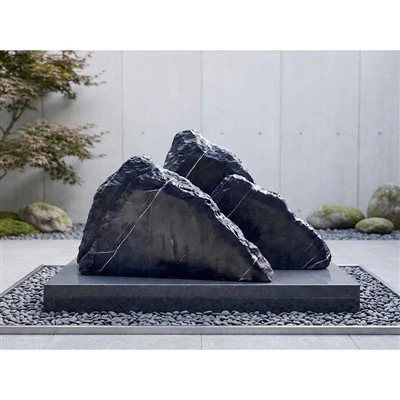
First off, let’s start with the prep because you can’t decorate a messy or ill-placed basin and have it work. I see this all the time: someone drops a big granite basin in the middle of a lawn, with no level spot to set it, or drains it wrong so it turns into a mosquito puddle. I always tell my buyers the first step is to make sure the basin sits right. You don’t want it wobbling, and the ground around it should slope slightly AWAY from the basin—so if it rains, water runs off, not into the base of your stone (which can crack over time). Also, the drain hole at the bottom? It’s not just for show. You need to cover it loosely with a small piece of mesh or a rock screen to stop leaves and dirt from clogging it, but not so tight that water can’t drain slow enough to keep it fresh between refills. I usually toss in a free little mesh screen with every basin I sell, because clogging is the #1 mistake people make in the first month. It sounds silly, but a basin that’s full of gunk the second week is useless, no matter how pretty the rest is.
Next, the actual water part. This isn’t a bird bath you fill and forget. Japanese garden basins need clean, fresh water—and honestly, most people overfill them. The classic level is about 2 to 3 inches below the top rim. Why? Because it looks natural, not like a bucket, and it stops small debris from blowing in and getting stirred up. If you have a recirculating setup (super common now, way less waste than changing water every day), you just need a small, quiet pump—no gurgling, loud splashes. The sound of a tiny trickle over the edge is the whole point of the basin’s vibe. Wait, and don’t use tap water straight if your plants or nearby stone look like they’re getting stained? No, wait—actually, hard tap water can leave white spots on the basin’s stone over time, so if you live in a super hard water area, I recommend using filtered water for the top-offs, or just wiping the rim down once a week to keep spots from building up. Small thing, but it makes the stone glow instead of looking dull.
Now the fun stuff—decor that’s not cluttering up the basin. Let’s start with the stand, because most basins don’t sit directly on the dirt. Traditional stands are made of wood, usually cedar or pine, but I’ve sold a ton of concrete or stone stands too, depending on if your garden is formal or casual. The key here is the height. The basin should be about elbow height when you’re standing or crouching to wash hands—no kneeling way down like a tea ceremony master (unless that’s your thing) and no so high you have to stretch. I always measure the stand for my customers when they buy a basin, because generic stands are either too short or too tall.
Then, the stone accents around it. This is where it gets really specific. You don’t want a bunch of random rocks. The rule is three big rocks and two smaller ones, arranged asymmetrically. Japanese gardens hate symmetry, right? One rock goes a little behind the basin, one to the left, one to the right, and two tiny ones right next to the edge of the basin. The names matter too, but you don’t have to memorize them. The “back rock” is the tallest—think of it as the anchor, so it ties the basin to the rest of the garden. The ones to the sides balance it, and the little ones at the edge look like they’re peeking at the water. Also, leave a clear path to the basin—about 18 inches wide—so you can actually walk up to it without stepping on rocks. I’ve had customers text me a photo later saying they added too many rocks and now they can’t reach the basin easily, oops.
Wait, what about the bamboo parts? Every traditional basin has a tsukubai’s spout, called a hishaku, which is a bamboo ladle. Where do you put that? It should rest on a bamboo or wood holder, not just tossed in the basin. And when you use it, you pour water from the ladle, over your hands, and then dump the rest into the ground or a small drain nearby—not back into the basin. That’s the etiquette side, even if you’re just doing it for decor. But for decorating, the bamboo holder should sit to the right of the basin, at the same height as the rim. If it’s too low, it’s hard to grab; too high, it looks out of place. I sell matching bamboo hishaku with most of my basin sets, because if you pick a weird bamboo or plastic one, it ruins the whole look. Plastic is a no-go here, by the way—even a small plastic ladle sticks out like a sore thumb.
Foliage is the last big piece, and this is where you can get creative without overdoing it. You don’t need fancy Japanese maples or anything—though those are nice if you can fit them. The plants around the basin should be low, leafy, and evergreen mostly, so they don’t drop a million leaves into the water. Hostas, ferns, even small clumps of mint work. Wait, mint is good because it smells nice when the leaves brush the basin, but don’t let it spread into the water area. Also, keep the plants trimmed so they don’t hang over the basin rim—you don’t want branches touching the water and getting gunk in there. If you’re in a colder climate, evergreen shrubs like boxwood or small juniper work way better than seasonal flowers, which die back and leave dead stuff. I had a customer last year put tulips around his basin in spring, and by mid-May, the dead stems were falling into the water and he had to scrub the basin every week. Lesson learned.
Wait, are there common mistakes I see all the time? Let’s list them quick, because that’s helpful. First, overdecorating. I’ve seen people put small candles around the basin, or little ceramic frogs in the water, and it just looks cluttered. The basin is a focal point, not a shelf. Second, not maintaining it. Even the prettiest basin will look gross if you leave leaves in it for a week, or don’t wipe the rim. Third, picking a basin that’s too big for your garden. A huge 3-foot wide basin in a tiny patio makes the space feel cramped, not relaxing. I always tell customers to measure their garden space first—if it’s a small balcony, go for a 1-foot basin, not a big one meant for a backyard garden.
Oh, and if you want to add a little extra something for night time? A small solar light, tucked under one of the back rocks, so it doesn’t glare. Not a bright floodlight, just a tiny warm glow that lights up the water a little. That’s perfect for summer evenings when you want to sit in the garden after work. No electric lights running across the top, nothing that’s harsh. Just a soft, subtle glow.
I guess the biggest takeaway here is that decorating a Japanese water basin isn’t about copying every little rule you read online. It’s about making it feel intentional, like it’s part of the garden, not something you just dropped there. If your basin sits right, the water is fresh, the accents are simple, and the path to it is easy to use, that’s all you need. It’s not meant to be perfect—it’s meant to be a spot to pause.

Speaking of pausing, if you’re thinking about adding a basin to your garden (big or small, patio or backyard), I work with all kinds of folks—homeowners, garden designers, even small businesses like cafes or community spaces. I’ve helped people pick the right size, set it up, and even give little tips on keeping it looking good. No pressure, just real advice, since I’ve been doing this for years and have seen every win and fail. If you want to chat about your space, what size you need, or even just get more tips, feel free to reach out. No stuffy sales talk, just straight answers.
Taihu Stone References:
- Nihon Teien: The Art of Japanese Garden Design, Teizo Itoh, Kodansha International, 1990.
- Japanese Garden Elements: A Complete Guide, Masao Nakamura, Tuttle Publishing, 2007.
- Practical Guide to Tsukubai Maintenance and Placement, Japan Garden Society, 2015.
Orin International Trade Co., Ltd.
With abundant experience, we are one of the most professional japanese garden water basin manufacturers and suppliers in China. We warmly welcome you to wholesale custom made japanese garden water basin from our factory. If you have any enquiry about cooperation, please feel free to email us.
Address: No.3-1, Shangzhongdi Natural Village, Hexian Village, Shuangta Sub-district, Jiangshan City, Quzhou City, Zhejiang Province
E-mail: atlas@orinstone.com
WebSite: https://www.orinstone.com/
