Hey there, if you’re scrolling this because you’ve got a hilly property and you’re wondering: “Can I actually use cattle corral panels here?” — I’ve been hearing that question nonstop lately, and as someone who’s been selling these panels for over a decade, I’m here to give you the real tea, not the sales fluff. No fancy jargon, no overpromising, just straight-up what works (and what doesn’t) when you’re dealing with uneven ground, steep slopes, and the whole messy reality of hilly farm life. Cattle Corral Panels
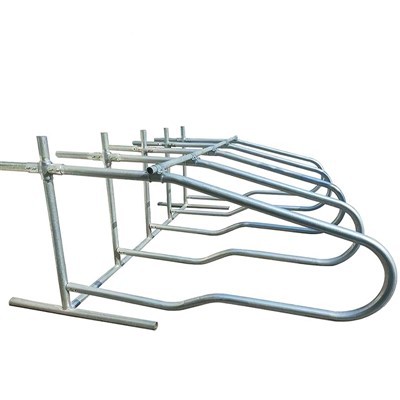
First off, let’s get one thing out of the way: corral panels aren’t just for flat pastures or feedlots. Yeah, I know most folks picture them lined up nice and level on a big open field, but I’ve got customers using ’em on hillsides, rocky acreage, and even that wonky little slope that runs along the back of their barn. The short answer? Yes, you can use them — but you gotta do it right, and that means adjusting for the hill, not forcing the panels to fight it. Let’s break this down like I’m chatting with you over a coffee (or a cold beer, no judgment — farm work’s hard) because that’s how I roll.
The First Big Thing: Panels Bend, But They Shouldn’t Be Forced
Here’s the mistake I see new hill users make: they grab a standard 10 or 12-foot corral panel, stretch it tight along a slope, and expect it to stay straight. Newsflash: those panels are built to flex, not to hold a curve or a sharp angle without extra help. When you force a panel to follow a steep hill’s contour without planning for it, you end up with gaps, sagging spots, or even panels that pull loose when a cow (or a goat, horse, whatever) leans on ’em.
Wait, why is that? Let’s get quick on the science (don’t zone out, it’s simple). Standard corral panels are usually 1 ⅝-inch tubing, welded at the joints to hold their shape when they’re installed level. When you put one on a hill, the weight of the panel itself shifts to the lower end, and if you don’t secure that, it’ll sag in the middle over time — especially if you’ve got bigger animals rubbing against it. That sag is a problem because even a tiny gap (like 6 inches) is enough for a calf to slip through on a slope, which can turn into a disaster fast.
How to Adapt Panels for Hills: The Stuff No One Tells You
Okay, so you can’t just line ’em up. What can you do? Let’s get into the actual hacks I’ve seen work for folks with 10, 20, even 30% slopes (yeah, that’s a steep hill — I’m not talking a little embankment here).
First, shorten your panel runs. Instead of using a 12-foot panel, grab 8 or 10-foot ones. Why? Because shorter panels are way easier to adjust. On a slope, you can set each panel at a slight angle to the contour (not straight up and down the hill, not perfectly horizontal) so that the whole line follows the hill’s natural curve without the panel bending more than an inch or two. I had a customer in western North Carolina with a 25% slope who swapped all his 12s for 8s, and he told me “no more sagging, no more panels pulling loose — it’s like a whole new setup.”
Next, support every joint with a post — and set those posts deep. On flat ground, you might set a post 2 feet down. On a hill? Dig ’em 3 feet minimum, and make sure you’re setting them into firm soil, not just loose topsoil or gravel. The lower the slope, the deeper the post needs to be, because gravity’s pulling harder on the lower end of the panel. And here’s a pro tip: set the lower post a little deeper than the upper one? Wait, no — actually, set all posts plumb, but if the panel’s running across the hill, make the gap between the panel and the post on the lower side smaller than the upper side. That way, the panel is sitting tight, not hanging off the upper post.
Oh, and skip the flat bottom rails if you can? No, wait — use the ones with reinforced bottom bars. A lot of our standard panels have a thicker bottom rail, which is key for hills. That bottom rail helps distribute the weight of the panel and any livestock leaning against it, so it doesn’t sag. If you’re using a panel that’s got a thin, lightweight bottom rail? Ditch it for the reinforced ones. I’ve had customers try cheap panels on hills and they warp in a year — don’t do it.
Wait, what about contour lines vs. following the hill? A lot of folks will tell you to run panels exactly on the contour, meaning every section is level. Yeah, that works for gentle slopes, but on steeper ones, you end up with so many tiny angles that the whole fence line looks like a zig-zag, which is messy and hard to muck around (literally — mucking, moving, whatever). The better call for most hills is to run panels at a slight diagonal to the contour, so the line is mostly straight but follows the hill’s pitch. It’s less work to install and way more durable long-term.
What About Animals Specifics? Cattle, Goats, Horses — They All Behave Different on Hills
You’re not just fencing empty space — you’re keeping livestock safe, right? Cattle are bulkier, so they’re more likely to lean or push on fence lines. That means on hills, you need to make sure the panel is anchored so it doesn’t slide downhill. Goats are jumpers, so gaps or saggy spots are even worse for ’em. Horses? They might not try to slip through, but they’ll rub, so the fence needs to be sturdy enough to handle a full-grown horse leaning into it.
I had a customer in Ohio who had a mix of cows and goats on a steep hill. He used 10-foot reinforced panels, set posts 3.5 feet deep, and added an extra support brace every 50 feet (wait, yeah, braces — don’t forget braces on longer runs). He told me the goats don’t even try to squeeze through anymore because there’s no sag, and the cows don’t push the fence because it doesn’t budge. That’s the stuff that works, not the “one size fits all” garbage you see online.
The Big No-Nos When Using Corral Panels on Hills
Let’s cover what doesn’t work, so you don’t waste your time and money. First, don’t overdo it with flexing panels. If a panel’s bending more than 2 inches when you lean on it, that’s too much. Swap it for a sturdier one, or adjust the run length. Second, don’t skip the post depth. I can’t stress this enough — I’ve had way too many customers who set posts 2 feet deep on a 20% slope, and after a winter of rain and freeze-thaw, the posts leaned, the panels sagged, and they had to redo the whole fence. Third, don’t use plain wire ties to attach panels to posts. Use heavy-duty bolts or zip ties? Wait, no — actually, use self-locking clip fasteners. Those are way stronger on hills because they don’t come loose from the vibration of animals moving around, or from frost heaves shifting the ground.
Wait, Are There Any Exceptions?
Yeah, if your hill is super steep (like 35% or more — that’s the kind where you almost slip walking down it), corral panels might not be the best call. You’d be better off with something like split rail or even a woven wire fence that’s flexible enough to follow the pitch without bending too much. But if your hill is moderate to gentle (10-25%)? Corral panels work great — you just have to adjust for it.
Wrapping It Up: Should You Even Bother?

At the end of the day, corral panels on hills aren’t impossible — they’re just not “install and forget” like they are on flat ground. But if you take the time to adjust run lengths, set posts deep, use reinforced panels, and fasten ’em right, you’ll have a fence that lasts for years, keeps your livestock safe, and doesn’t drive you crazy.
Wanna Chat More?
Cattle Corral Panels If you’ve got a specific hill slope, or you’re not sure what panels would work best for your setup, I’m here. I’ve helped hundreds of customers figure this out over the years, so drop a line whenever. No pressure, no sales pitch — just real advice for farm folks who are tired of dealing with wonky fences on tricky land.
References
- North Dakota State University Extension. (2021). Fencing for Hilly Terrain. Retrieved from extension service publications for beef producers
- University of Kentucky College of Agriculture, Food and Environment. (2019). Livestock Fencing Guidelines for Sloped Ground. Agricultural Extension Bulletin
- American Society of Agricultural and Biological Engineers. (2020). Standard for Livestock Fence Materials and Installation. ASABE Annual Standards
- Western Farm Press. (2022). Navigating Corral Panel Installation on Uneven Acreage. Farm Maintenance Feature
Hebei Honde Industrial Trade Imp & Exp Co., Ltd.
With abundant experience, we are one of the most professional cattle corral panels manufacturers and suppliers in China. We warmly welcome you to wholesale high quality cattle corral panels for sale here from our factory. We also accept customized orders.
Address: Room 1904, Yintai International Building, No.36 Guang’an Street, Shijiazhuang, Hebei, China
E-mail: Helen@hbhonde.com
WebSite: https://www.hondelivestocksupply.com/
