If you’re reading this, chances are you either work in industrial facilities, manage building electrical systems, or are in the market for high and low voltage switchgear—and let’s be real, you didn’t land here by accident. I’ve been in the switchgear supply game for 12 years, and I’ve seen it all: brand-new gear arrive on a construction site, sit outside in the rain for three weeks because someone forgot to arrange storage, and end up with corroded bus bars, cracked insulators, and a price tag that makes you want to cry. The worst part? That damage is almost always avoidable. Most of my clients who run into storage-related issues are the ones who skip the basics because they think “switchgear is built tough, it can handle a little weather.” Spoiler: It can’t. If you’re a project manager, facilities director, or anyone responsible for keeping power flowing to critical operations, proper storage isn’t just a box to check—it’s the first step in ensuring your switchgear works when you need it, not after a crisis. High and Low Voltage Switchgear
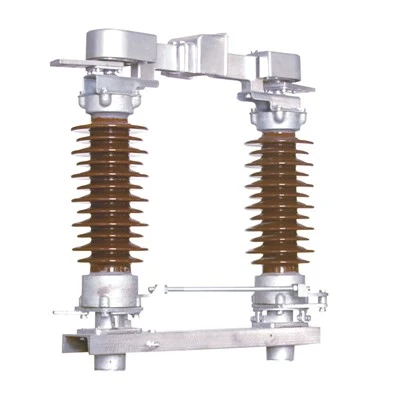
Let’s start with why storage matters more than you think. High and low voltage switchgear isn’t just a metal box with switches; it’s a precision piece of electrical equipment with components designed to insulate, conduct, and interrupt power safely. Bus bars, the metal strips that carry electricity, are often made of copper or aluminum, which corrode rapidly when exposed to high humidity, salt air, or moisture. Insulators—usually ceramic or polymer—crack when they swing between extreme temperatures, or get covered in dust and debris that can create electrical arcing later. Even the small stuff: gaskets that seal enclosures, wiring harnesses, and circuit breaker trip mechanisms, all degrade when stored improperly, leading to unplanned downtime, higher maintenance costs, or even safety hazards during installation. I once had a client in the Midwest who stored three 480V switchgear units outside their warehouse for six weeks because of a delay in the concrete foundation. By the time we inspected them, the bus bar connection points had enough rust that we had to sand, plate, and re-torque every joint, adding 18% to their project cost. That’s the kind of avoidable expense that makes me write this blog.
First, let’s break down the non-negotiable storage requirements, starting with location. The single best place to store switchgear is a climate-controlled, dry, enclosed facility—not a parking lot, not a side of the construction site, not a covered trailer that leaks when it rains. If you don’t have access to a permanent enclosed space, rent a temporary storage container with a solid roof, walls, and a secure lock, not the flimsy open-sided ones you see at home improvement stores. Here’s the fine print for that space: Keep the temperature between 10°C (50°F) and 30°C (86°F). Extreme heat softens polymer insulators and dries out gaskets; extreme cold makes metal brittle and can cause condensation when temperatures swing. Humidity is even more critical—keep it below 60% relative humidity at all times. High humidity leads to that rust I mentioned, plus mold growth that eats away at wiring insulation and can cause electrical faults down the line. If your storage space has no humidity control, use dehumidifiers rated for the size of the space, and check humidity levels twice a week during hot, humid months.
Next, how you position and package the gear when storing it. Most switchgear arrives on wooden crates or pallets, and those aren’t just for shipping—they’re designed for storage too. Never drag or slide switchgear across a surface; lift it using the built-in lifting lugs (always included by reputable manufacturers like us) and keep it upright, exactly as it will operate. Tilting switchgear can damage internal components like circuit breaker mechanisms, bus bar supports, and current transformers. If you have to store multiple units, stack only two high max, and put the lighter low voltage units on top of heavier high voltage ones. Never stack anything on top of switchgear, even for temporary storage—loose tools, building materials, or even a tarp can scratch the enclosure, damage insulators, or get inside the unit and cause issues later. As for packaging: Keep the original shipping crate or plastic wrapping on until the gear is ready to install. The plastic wrapping isn’t just to keep dust off during shipping—it has desiccants inside to absorb moisture. If the original wrapping is damaged, use a breathable, water-resistant plastic cover (not sealed plastic, which traps moisture) and add a few silica gel packets inside each unit. For extra protection, wrap the entire crate in a waterproof tarp that’s secured with bungee cords, not tied too tight that it presses on the enclosure.
Then there’s security and protection from physical damage. Switchgear is heavy, valuable, and a target for theft or vandalism on construction sites. I’ve had two clients in the last year have components stolen from switchgear units stored on unguarded sites: circuit breakers, copper bus bars, even door handles. That alone is enough to delay a project by weeks, especially if replacement parts have to be custom ordered. If you’re storing gear at a remote site, make sure the storage area is fenced with a locked gate, and post security cameras if possible. For individual units, ensure the enclosure doors are locked and sealed with the original factory seals—those seals tell installers if the unit has been tampered with. Even small physical damage matters: A scratch on a ceramic insulator can create a path for electricity to leak, which leads to arcing during operation. Keep switchgear at least 1 meter (3 feet) away from construction activity like drilling, pouring concrete, or moving heavy equipment. Even a falling piece of lumber can crack an insulator or dent an enclosure enough to affect its performance.
Now, what to do if you have to store switchgear outdoors temporarily—we all know sometimes delays happen, and you can’t move everything indoors. This is a last resort, not a first choice, and it comes with strict rules. First, pick a flat, elevated surface that’s not prone to flooding—never store switchgear in a low spot where rainwater can pool around it. Cover the entire unit with a heavy-duty, waterproof industrial tarp, not a thin tarp from a hardware store that tears in wind. Anchor the tarp down tightly with heavy weights or straps, making sure it doesn’t touch any part of the switchgear enclosure—leave at least 6 inches of space between the tarp and the gear to allow air circulation, so moisture doesn’t get trapped under the tarp. Elevate the gear 10 to 15 centimeters (4 to 6 inches) off the ground using wooden pallets or cinder blocks, so no water seeps up from the ground. Check on the gear at least once a week: Lift the tarp and check for signs of moisture, water pooling, or pest activity (rodents love to chew through wiring insulation, and we’ve seen that happen too). If you notice even a small amount of condensation inside the enclosure, wipe it off with a dry cloth, replace damaged desiccants, and re-wrap it properly—don’t ignore it, because that small spot can turn into major corrosion in a month.
One step most people miss: regular inspections, even when the gear is in storage. Switchgear isn’t a set-it-and-forget-it piece of equipment when it’s stored. If it’s going to be in storage for more than 30 days, you need to check it every month. What do you check? First, the enclosure: Make sure locks are secure, seals are intact, and there’s no rust on the outside. Next, open the door carefully (if it’s safe to do so—make sure power is off, though stored switchgear should have all terminals covered and labeled as inactive) and check for moisture, dust, or pest signs. Wipe down bus bars with a clean, dry cloth if you see any dust or minor rust spots—for light rust, a soft brass brush works, never a steel brush which will scratch the metal. Check insulators for cracks, chips, or discoloration, which can be a sign of damage from temperature or moisture. If you have circuit breakers or disconnect switches inside, operate them once every three months to keep the moving parts lubricated and prevent them from seizing up. That’s a simple step, but I can’t tell you how many installers have told me they tried to operate a switch that had been sitting in storage for six months and wouldn’t move, causing hours of delays.
I also want to add a point about documentation, because it sounds trivial but makes a huge difference. When your switchgear arrives, document its condition before you move it to storage. Take photos of the crates, the units, any serial numbers, and note if there are any pre-existing scratches or dents. That way, if something goes wrong while it’s in storage, you can prove if damage happened before or during storage, which helps with claims or repairs. Keep all packaging materials and manuals with the gear—manuals often have specific storage guidelines for that exact model, and the original crates are designed to protect it during long-term storage.
Let’s talk about long-term storage, if you’re not installing the gear for six months or more. For storage longer than 6 months, you’ll need extra steps. First, remove all sensitive small parts (like circuit breaker trip units, wiring harnesses, or digital meters) and store them in a separate climate-controlled cabinet, away from dust and moisture. Seal the main enclosure tightly with desiccant bags—use industrial-grade desiccants that can absorb up to 10 times their weight in moisture, and replace them every three months during long storage. Cover the entire unit with an anti-corrosion film, which is a clear, non-toxic coating that protects metal parts from rust. Don’t apply it to insulators or rubber parts, though—only metal surfaces. And label every part clearly, so you don’t mix up components when you’re ready to install.
Now, common mistakes I see all the time that you can avoid. The first is assuming all switchgear is the same—different manufacturers may have different storage guidelines, so always check the manual from your supplier (that’s us, by the way). We include detailed storage instructions with every switchgear unit we ship, but too many clients toss them aside. Another mistake is using sealed plastic for long storage—sealed plastic traps moisture, and even with desiccants, that can lead to rust. The third is skipping regular inspections because “nothing will go wrong.” I had a client who stored switchgear for 8 months without checking it, and when they opened it, they found a colony of spiders had built a nest inside the bus bar chamber. Spiders and other insects love the dark, enclosed space, and their nests can cause electrical arcing when power is applied. That’s a safety hazard that could have been avoided with a 5-minute monthly check.
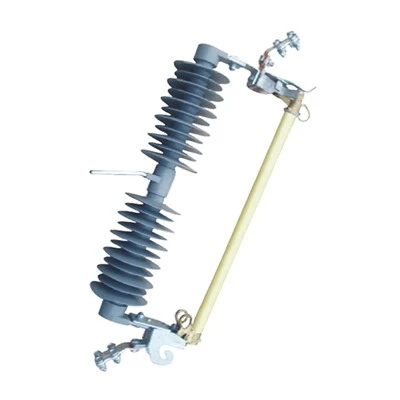
At the end of the day, proper storage is all about protecting the investment you’re making in your switchgear. Switchgear is built to last 20 to 30 years, but only if you take care of it from the moment it leaves our warehouse. A few extra steps in the short term save you from costly repairs, delays, and safety risks down the line. If you’re gearing up for a project and need guidance on storing switchgear, or if you’re ready to source high-quality, reliable high and low voltage switchgear that’s built to stand up to storage and operation, feel free to reach out to our team for a consultation. We’re not just suppliers—we’re partners, and we’re here to help you every step of the way, from storage to installation to long-term maintenance. Don’t let poor storage turn a great piece of equipment into a problem. Plan ahead, follow these steps, and your switchgear will be ready to deliver reliable power when you need it.
High and Low Voltage Switchgear References
- International Electrotechnical Commission. IEC 60439-1: Low-voltage switchgear and controlgear assemblies – Part 1: General rules. 2019.
- Institute of Electrical and Electronics Engineers. IEEE C37.20.1: Standard for metal-enclosed low-voltage power circuit breaker switchgear. 2020.
- National Electrical Manufacturers Association. NEMA Standards for Enclosures for Electrical Equipment (1000 Volts Maximum). 2018.
- Schneider Electric. Best Practices for Storage of Medium and Low Voltage Switchgear. 2022.
- Occupational Safety and Health Administration. Storage and Handling of Electrical Equipment for Industrial Facilities. 2021.
Zhongtai Electric Power Technology Co., Ltd.
With abundant experience, we are one of the most professional high and low voltage switchgear manufacturers and suppliers in China. We warmly welcome you to wholesale bulk customized high and low voltage switchgear from our factory. If you have any enquiry about quotation, please feel free to email us.
Address: High-tech Industrial Park, Chongren County, Fuzhou City, Jiangxi Province (No. 261 Yingbin Avenue)
E-mail: info@zhongtaielectric.com
WebSite: https://www.zhongtaipower.com/
