Hey everyone, it’s Jake here from your go-to pet food bags supplier – and let’s be real, I get it. When you’re stocking your pantry for your furry sidekick, you probably don’t spend time overthinking the bag the food comes in. But when you’re a pet food brand (or if you’re a pet parent curious about what’s in your pet’s grub) and you’re choosing between plastic and paper pet food bags? That’s where the rubber meets the road – or should I say, the kibble hits the bag. I’ve been working with both materials for years now, hearing every question from “Which is cheaper?” to “Will this keep my dog’s salmon fresh?” so let’s break this down without all the stuffy industry jargon. No boring textbooks, just real talk from someone who deals with these bags every single day. Pet Food Bags
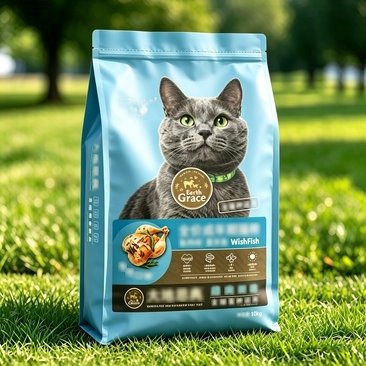
First off, let’s not start with the obvious stuff – I mean, anyone can tell plastic is bendy and paper is… well, paper. But if you dig into the nitty gritty, it’s not that simple. Let’s talk about shelf life, because that’s what keeps kibble from going bad before it even hits your pet’s bowl. Last month, we had a client who switched from our plastic bags to paper to go “greener” – and they came back two weeks later saying their bulk senior dog food was going stale on the shelves. Turns out, paper is way more porous than plastic. Like, think about how a coffee filter lets air through? Same vibe. Dry air, humid air, even tiny little dust particles – they can seep right through paper, especially if the paper isn’t coated. Most paper pet food bags have that thin plastic lining inside, right? But even then, it’s not a perfect barrier. Plastic? It’s basically an airtight fortress (when sealed correctly, anyway). That means fats in the kibble (super important for energy and fur health) don’t go rancid as fast. I’ve seen plastic bags keep high-fat puppy food fresh for 12+ months, while paper bags cut that down to 6-9 months tops, even with liners. That’s a big deal if you’re shipping food cross-country or storing it in a warehouse with weird temperature swings – plastic is your guy here.
Next, let’s get to that “green” talk everyone obsesses over these days. I’m not here to tell you one is 100% eco-friendly, because that’s a lie both ways. Paper is made from trees, so if it’s FSC-certified (that’s a big one), it’s from responsibly harvested forests. But here’s the catch: paper pet food bags have that plastic liner 99% of the time, right? So when you toss that whole bag in your recycling bin? Most curbside programs can’t process it because it’s a mix of materials. So that “paper” bag might end up in a landfill, same as plastic. Plastic, on the other hand, gets a bad rap, but not all plastic is the same. We use food-grade plastic (no weird chemicals leaching into the kibble – that’s non-negotiable for us) and a lot of it is recyclable. Wait, but a lot of people don’t know that rigid plastic is easier to recycle than flexible, but flexible plastic (the kind we use for pet food bags) is actually accepted at most drop-off centers, even if curbside doesn’t take it. Also, if you choose post-consumer recycled plastic (PCR) for your bags, we’re talking about turning old water bottles and milk jugs into something that’ll hold your pup’s grain-free kibble. So it’s not that black and white – paper seems greener at first glance, but it’s often not as circular as you think, while plastic has a lot of untapped potential if you go the recycled route.
Then there’s the practical stuff – how the bag works for your customers, and how it works for you as a brand. Let’s start with customer experience: have you ever tried scooping kibble out of a paper bag that’s been open for a week? It gets flimsy, it tears easily, and if you spill some (guilty, when my golden retriever pulls it off the counter), it’s a mess of crumpled paper and half-eaten kibble. Plastic? It’s durable, it has resealable zippers (we add those to almost all our plastic bags now because clients beg for it), and it holds its shape. Also, if you need to print big, bold logos or nutritional info on the bag? Wait, that’s another difference. Paper is great for vibrant printing, but the ink can smudge if the bag gets wet. Plastic has a smoother surface, so printing is crisp, but it can be more prone to scuffs if it’s being stacked in a warehouse. Oh, and weight – if you’re shipping these bags to retail stores, plastic is lighter than paper, so you save on shipping costs. That’s a huge win for small brands trying to keep expenses down, trust me. I had a startup client last year who switched to our plastic bags and cut their shipping bill by 15% in the first quarter – that’s money they could put toward more treats for rescue dogs, not bags.
Wait, let’s not forget about moisture and pests – two pet food bag nightmares. If you live in a humid state like Florida or Louisiana, moisture is the enemy. Paper bags will absorb humidity like a sponge, making the kibble go moldy or clumpy in no time. Plastic, again, is moisture-resistant, so even if your store is in a humid area, the kibble stays dry. And pests? We’re talking about ants, weevils, even mice – no one wants bugs in their pet’s food. Paper is a soft, chewable material for rodents, so if a warehouse has a pest issue, paper bags are way more vulnerable. Plastic is tough enough that most pests can’t chew through it – that’s a big part of why zoo pet food (the big bulk stuff) is all plastic, right? They can’t afford to have 50-pound bags of tiger food go bad because of a pest problem.
Now, I know what some of you are thinking: “But plastic looks cheap.” Yeah, in the old days, thin, flimsy plastic bags did look like garbage. But we’ve come a long way. The plastic pet food bags we make now are multi-layered – food-grade outer layer, barrier layer for freshness, inner layer that’s safe for kibble. They’re durable, they look premium, and they can be printed to look just as nice as paper bags. I’ve had clients who switched from paper to our premium plastic bags, and their customers thought the bags were higher quality – which makes them more likely to pick that brand off the shelf, especially if it’s for a special diet (like grain-free or raw). Don’t get me wrong, paper has its place – if you’re making a small-batch, limited-edition treat bag for a weekend adoption event, paper works great. But for everyday, bulk pet food that’s going to sit on shelves for months? Plastic is the smarter call, hands down.
Wait, let’s talk about cost, because that’s probably the biggest question clients ask me. A lot of people assume paper is cheaper, but that’s not always true. If you’re buying a basic paper bag, yes, it’s slightly cheaper upfront. But when you factor in the hidden costs – higher spoilage rates, higher shipping costs, more customer complaints about torn bags – plastic ends up being way more cost-effective in the long run. I’ve crunched the numbers for a client last year: they were selling 10,000 paper bags a month, with a 10% spoilage rate (kibble going stale or moldy), plus $500 a month in shipping overages. When they switched to our PCR plastic bags, their spoilage rate dropped to 2% and shipping costs went down $700 a month. That’s an extra $1,000 a month they could use to donate food to local shelters. Paper looks cheap on paper (pun totally intended), but plastic saves you money when you look at the whole picture.
Also, let’s get real about accessibility for people with disabilities. A lot of pet parents are older, or have mobility issues, and opening crinkly, flimsy paper bags can be a nightmare. Plastic bags with resealable zippers are way easier to grip and open, especially if you have arthritis or limited hand strength. That’s not something I see a lot of brands talking about, but it’s a huge one. My mom has bad hands from years of gardening, and when I got her a bag of my dog’s food in a plastic bag with a zipper, she said it was way easier to open than the paper bag she used to get. Small things like that make a big difference for pet parents.
Now, I’m not here to say paper is useless. If you’re a small-batch brand selling 50-pound bags at farmers markets, paper is perfect because it’s lightweight and easy to customize for events. Or if you’re making a limited-edition holiday bag, paper has that rustic, cozy vibe that fits with seasonal promotions. But for most commercial pet food, plastic is the better all-around choice. It’s better for keeping food fresh, it’s more durable, it’s cheaper long-term, it’s more pest-resistant, and if you go with PCR plastic, it’s actually way more eco-friendly than people give it credit for. The key here is not “plastic vs. paper” – it’s choosing the right material for your specific needs, and working with a supplier that can walk you through all the options.
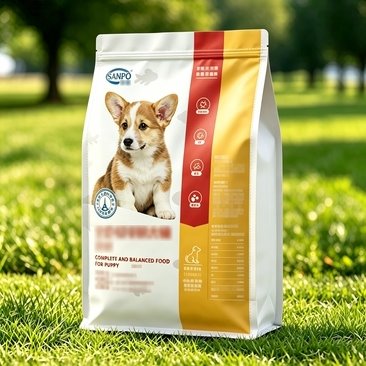
At the end of the day, the bag is the first thing your customer sees, and it’s the last line of defense for their pet’s food. You don’t want to skimp on it. If you’re a pet food brand looking to restock your bags, or if you have questions about which material is right for your line, hit us up. We don’t do one-size-fits-all – we’ll talk about your shelf life needs, your budget, your sustainability goals, and help you pick the perfect bag for your product. Don’t waste time guessing – let’s chat and find a solution that works for you and your furry customers.
Pet Food Bags References
- Sustainable Packaging Coalition. (2022). Flexible Packaging Material Performance & Circularity Report.
- American Pet Products Association. (2023). Global Pet Food Packaging Trends & Consumer Preferences.
- Food and Agriculture Organization of the United Nations. (2021). Barrier Properties of Packaging Materials for Dry Pet Food.
- Recycling Works! Coalition. (2022). Curbside Recycling Acceptance of Multi-Material Packaging.
- Journal of Packaging Technology and Science. (2020). Shelf Life Comparison of Plastic vs. Paper Packaging for High-Fat Dry Pet Food.
Zhejiang Xifeng Packaging Co., Ltd.
We are one of the most experienced pet food bags manufacturers and suppliers in China. With a professional production team, we offer a wide range of products with superior quality. Please feel free to buy bulk pet food bags at competitive price from our factory. We also accept customized orders.
Address: Xiaojiang Town, Pingyang County, Wenzhou City, Zhejiang Province, China
E-mail: zjxifeng@126.com
WebSite: https://www.xifengpackaging.com/
