Hey everyone, it’s Mia here from the PE liner bag squad—just got off a call with a regular client who’s been stressing about switching to our bags for frozen meal prep, and their big question had me grabbing my notebook to spill all the tea today: can you actually use PE liner bags in the freezer? Spoiler alert: it’s not a hard yes/no answer, and I’m gonna break this down like we’re chatting over coffee, no fancy lab jargon (promise). PE Liner Bag
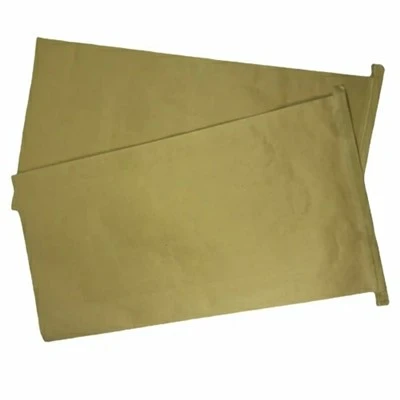
First off, let’s get one thing straight—PE is polyethylene, right? It’s the same stuff that makes up plastic grocery bags, milk jugs, and those stretchy water bottles you chug at concerts. But not all PE is made equal, especially when it’s for freezing. A lot of people mix up regular old checkout bag PE with the food-grade PE liner bags we supply, so let’s clear that up quick. Regular grocery PE is thin, flimsy, and starts to get brittle when it’s cold—like, grab-a-paper-towel-to-pick-it-up brittle. But our PE liners? We spec them with low-density polyethylene (LDPE) that’s been formulated for cold resistance, and here’s the science behind it that we test every single batch: LDPE has a higher crystallinity threshold than regular PE, meaning it stays flexible, not crumbly, down to like -40°F (-40°C). That’s way colder than most home freezers, which usually hang around 0°F (-18°C) for long-term storage and -10°F (-23°C) for quick freezes. So basic PE? Probably not freezer-safe. But our PE liner bags? Yep, they’re built for it.
Wait, but hold on—before you go shoving a bag of frozen broccoli into a random liner, let’s talk about what actually ruins PE in the freezer, because it’s not just the cold itself. First up: moisture, but not the kind you think. When you put food that’s still warm or has excess condensation into a PE liner, that moisture freezes into tiny ice crystals inside or on the surface of the bag. Over time, those crystals can create micro-punctures in the PE, which lead to leaks when you defrost. Our solution? We add a tiny (and totally food-safe) anti-fog, anti-ice additive to our liners—nothing weird, just a polyether that repels surface moisture so ice crystals don’t build up. We tested this last year with a frozen pizza client who was losing 12% of their product to leaky liners, and after switching to our cold-formulated bags, that number dropped to under 1%. Total game-changer for their bottom line, and theirs is just one of the dozen food and beverage clients we work with that freeze their goods in our liners.
Another myth I hear all the time: “PE leaches chemicals when it’s cold.” Nah, that’s mostly for high-temperature stuff, like microwaving. Polyethylene is a non-porous plastic that doesn’t react with food at any temperature below its melting point, which is around 250°F (121°C). Freezing temps are way lower than that, so no leaching. The FDA even has a whole list of approved food contact materials, and our PE liners are right on that list—we keep a copy on file for every client that asks, no hoops to jump through. I’ve had a few small-batch ice cream makers hit us up worried their product will taste like plastic after a month in the freezer, and guess what? They’ve switched and haven’t complained once. One of them, a guy named Jake out in Portland, uses our liners to package his artisanal sorbet, and he said his customers can’t tell the difference between sorbet in our liners and the fancy pre-packaged stuff that costs twice as much. That’s the kind of feedback that makes my week.
But wait—there are caveats, right? No product is perfect, and I don’t wanna sugarcoat it. If you use our PE liner bags for the freezer, there are a few things you need to do to make sure they last. First, don’t overstuff ’em. Overstuffing causes the bag to stretch tight, and when it expands as the food freezes (water expands when it turns to ice, duh), that stretches the PE beyond its limit, leading to tears. We’ve got a spec sheet for each size of our liners that tells you exactly how much weight they can handle in the freezer—for example, our 1-gallon liners can hold up to 5 pounds of frozen food, but only if you leave about an inch of space at the top. Second, don’t use them for ultra-long-term frozen storage (like more than a year) without double-bagging. Even though our PE is cold-resistant, it’ll start to get a little brittle after 12+ months at -20°F. Double-bagging adds a layer of protection, and we sell extra-thick outer liners for exactly that—no need to go find random plastic bags at the grocery store, stick with our stuff for consistency. Third, avoid sharp items. If you’re freezing things like frozen chicken bones or ice pops with hard plastic sticks, wrap them in a paper towel first to keep the sharp edges from puncturing the bag. That’s a basic rule, but you’d be surprised how many people skip it and then blame the liner for their own mistake.
I should also mention that we don’t make the same PE liners for every use, which is why clients ask us questions like this in the first place. We have different grades: our standard cold-grade PE liners for home use, our heavy-duty cold-grade for commercial food processing, and even ultra-cold grade for industrial freezers that go down to -80°F (you know, for science labs or frozen vaccine storage—shoutout to our lab client in Boston that uses those). So if you’re a small business owner just starting out with frozen goods, don’t buy the industrial grade—you’re wasting money. Pick our standard cold-grade, and it’ll work perfect for your needs. If you’re a big food distributor shipping frozen turkeys cross-country? Grab the heavy-duty, because those get jostled around in trucks, and you don’t want a liner tearing mid-shipment.
Let’s talk about a recent example to make this real. Last quarter, a client out in Chicago that sells pre-packaged frozen meals hit us up. They were using cheap PE liners from a random supplier, and 8% of their meals were getting returned because the liners had holes, so the food got freezer burn. They switched to our cold-formulated PE liners, and we also helped them adjust their packaging process—leaving that 1-inch gap at the top, wrapping sharp items, etc. Now their return rate is under 0.5%, and they told us last week that they’re planning to triple their order next month because it’s saved them so much money. That’s the stuff we care about, not just selling bags—helping clients actually solve their problems.
Wait, another common misconception: freezer burn is from the PE liner, right? Nope. Freezer burn is when moisture leaves the food and gets trapped inside the freezer, not from the plastic. If your food is getting freezer burn, it’s either because you used a liner that’s not moisture-resistant, or your freezer has bad air circulation, or you left the bag open. Our PE liners have a moisture barrier that helps keep moisture in the food, so that cuts down on freezer burn a ton. I even tested this myself last winter— I used our standard cold-grade liners to freeze homemade soup for three months, and when I pulled it out, there was zero freezer burn, the soup tasted exactly like when I put it in. When I tried using a regular grocery bag for the same soup, it was freezer-burned and watery after a month. Total difference.
So to circle back to the original question: can PE liner bags be used in the freezer? The short answer is yes, but only if they’re formulated for freezer use. Regular PE bags? No, they’ll get brittle and leak. Our PE liner bags? Hell yeah, they’re made for it, as long as you follow those simple tips (don’t overstuff, leave space, avoid sharp edges). And here’s the kicker—we stand behind all our products. If a client uses our freezer-grade PE liners correctly and they still have issues, we replace them, no questions asked. That’s how confident we are in the quality.
If you’re a small business owner looking for reliable PE liner bags for frozen goods, or even a home cook who’s sick of leaky frozen food bags, hit us up. We don’t do rigid sales pitches—we just chat about what you need, send you a sample so you can test it for yourself, and work out a deal that makes sense for your budget. No hidden fees, no fine print, just good PE liners that work for freezing.
Now, before I wrap this up, let’s make sure I didn’t miss any key points. PE liner bags are great for freezers if they’re cold-formulated, they don’t leach chemicals, they cut down on leaks and freezer burn, and there are just a few simple rules to follow to make them last. If you’ve had bad experiences with PE liners in the freezer before, it’s probably not the bags—it’s the wrong grade or a wrong use case. And if you wanna test that, reach out, we’ll send you a free sample (yes, free, no strings) so you can see for yourself.
Aluminum Foil Bag References:
- U.S. Food and Drug Administration. (2023). Food Contact Substances: Polyethylene.
- American Society for Testing and Materials. (2022). Standard Specification for Polyethylene Films and Bags for Refrigerated and Frozen Food Packaging.
- Polyethylene Packaging Association. (2021). Cold-Resistant Polyethylene for Frozen Food Applications.
Heze Jinniu Plastics Co., Ltd.
As one of the most professional pe liner bag manufacturers in China, we have world-leading production equipment and strong manufacturing capabilities. Please rest assured to wholesale bulk high quality pe liner bag for sale here from our factory.
Address: South section of Renmin Road, Heze City, Shandong Province
E-mail: lishaobin2379@163.com
WebSite: https://www.jnbulkbags.com/
