Let’s be real—if you’re running a diesel forklift fleet, rust isn’t just an eyesore. It’s a silent killer that eats into uptime, cranks up maintenance costs, and can even tank resale value down the line. As a diesel forklift supplier, I’ve sat across from so of your guys who thought “diesel = rust-proof” (spoiler alert: nope, not even close). I’ve seen brand-new units with surface rust on the mast and frame just three months after delivery, because customers skip the small, easy steps that actually stop corrosion. This isn’t rocket science, but it’s way more specific than just “don’t leave it out in the rain.” Let’s break down exactly how to keep your diesel forklift rust-free, no fancy tools or thousands in extra parts required. Diesel Forklift
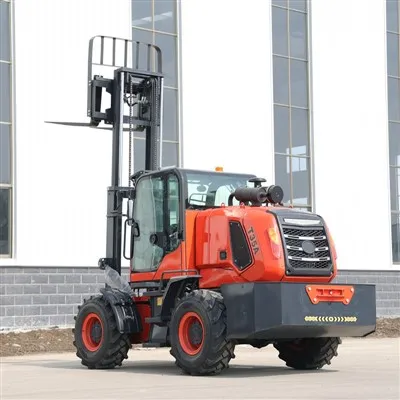
First, let’s get one myth out of the way right now: diesel fuel doesn’t prevent rust. A lot of operators I talk to think because the engine runs on diesel, all the metal parts are “protected” from moisture. Uh-uh. Diesel is great for powering the engine, but it’s useless against water that seeps into the air intake, condenses in the exhaust system, or gets trapped in tiny crevices on the chassis. In fact, water in diesel tanks is one of the most common hidden rust culprits—another thing I see all the time. Moisture sinks to the bottom of fuel tanks, and even a little bit (like a half-pint over months) can cause internal rust that eats through the tank wall before you even notice it.
Now, let’s start with the basics of where rust actually forms on a diesel forklift, because you can’t fix what you don’t look for. The parts that get hit the hardest are usually the ones you don’t see every day: the underside of the mast, the frame rails, the exhaust pipe, and the fuel tank. Wait, also the forks? Surprise—they’re high-use, high-friction parts that get chipped all the time, and if that chip scratches through the paint, rust starts there immediately. Even the cab frame, if you’re using enclosed units, can rust along the seams from road spray in warehouses with loading docks that hosed down, or salt if you’re working in cold climates where they de-ice floors.
Let’s go step by step, starting with the most common fixes that take 10 minutes a week, no excuses. First: the fuel system. This is non-negotiable. I recommend draining the water separator on your diesel forklift every single week. Most units have a little drain plug under the tank, and it takes 30 seconds to twist it open and let any pooled water run out. Don’t wait for it to light up on the dash—by then, there’s already enough water in there to start rust. Also, if you’re storing forklifts for more than a week (like during a holiday shutdown), add a fuel stabilizer and a water-dispersing additive to the tank. Not only does this stop water from accumulating, but it also keeps the diesel fresh so you don’t have to burn through old fuel before using the unit again. I’ve had customers tell me they skip this, only to find their fuel tank has pinholes from rust by spring, which costs way more than a $10 bottle of additive to fix.
Next, the big one: exterior and undercarriage cleaning. Let’s be real, forklifts get dirty. They haul pallets of grain, concrete, metal parts—stuff that leaves dust, dirt, and road spray caked on. If you leave that gunk on, it traps moisture against the metal, and that’s where rust starts. A lot of operators think they just need to wash the forks and the mast, but you have to get the undercarriage too—all the way up into the frame rails and the back of the mast, where dirt collects and never dries. I’m not saying you need to pressure wash your forklift every day, but a good deep clean every two weeks is essential. If you’re working in a salty environment (like near a port, or in a cold climate with floor salt), bump that up to once a week. Pro tip: when you wash, use a mild degreaser, not just water and soap, because regular dish soap can strip the protective wax or coating off the metal faster. And make sure you dry it off—especially the underside. I’ve seen a forklift that sat in a pool of water under the frame for 3 days, and by the time they noticed, there was rust eating through the frame. Don’t be that guy.
Then, coatings and touch-ups. Most new diesel forklifts come with a factory paint job that’s pretty good, but it’s not indestructible. The forks are the worst for chipping—every time you drop a heavy pallet, or scrape the fork against a loading dock, that paint comes off. And even a tiny 1mm chip is enough for rust to start spreading. I recommend keeping a tube of high-temperature, rust-inhibiting touch-up paint for forklifts in your shop. It’s cheap, it’s made to stick to the metal used in forklifts, and it’s way easier to fix a chip before it turns into a big rust spot. Also, for the undercarriage and frame, don’t just rely on paint. A lot of professional shops use a rubberized undercoating— it’s a thick, flexible layer that seals out moisture and road grime, and it’s way more durable than regular paint. I’ve seen units that have had undercoating applied once a year last 5 years longer than ones that didn’t. And don’t forget the exhaust system! The exhaust pipe gets super hot when you run the forklift, but when it cools down, moisture from combustion condenses inside, and that causes rust from the inside out. An exhaust pipe with rust holes is a fire hazard, plus it makes the engine run inefficiently. You can get high-temperature exhaust wrap or a special coating for the inside of the exhaust to stop that—way cheaper than replacing a whole exhaust every year.
Now, what about long-term storage? A lot of companies park their forklifts for weeks or months at a time, whether that’s during a slow season, a holiday, or a downtime for the warehouse. That’s when rust really kicks in, because the forklift isn’t running, so all the moisture has nowhere to go. If you’re storing a diesel forklift, don’t just park it in a corner and walk away. First, clean it really well—get all the dirt and salt off, because if it sits there for months, that gunk will turn into rust glue. Then, for the fuel tank, add that same water-dispersing additive, and fill the tank all the way up. A full tank leaves less air inside, which means less moisture can condense and cause rust. Then, if you’re storing it outside (I know some of you don’t have warehouse space), get a breathable cover, not a plastic tarp. Plastic traps moisture, so when it rains, the tarp turns into a sauna for your forklift, and that’s rust central. Breathable fabric covers let air circulate, so any moisture that gets in can evaporate. If you’re storing it inside, make sure it’s parked on a concrete surface (not dirt or gravel, which holds moisture), and maybe prop the forks up a little if it’s going to be there a while—so any water that drips on them runs off, not pools.
Wait, let’s talk about common mistakes I see as a supplier. First, people using generic lubricants on the mast. A lot of guys grab any old WD-40 or grease from the shop to lube the mast chains, but generic products don’t have rust inhibitors. Use a forklift-specific lubricant that’s designed to prevent corrosion— it adds an extra layer of protection to the mast, which is one of the most critical parts. Second, ignoring the seals. The seals around the mast and the cab are there to keep moisture and dirt out. If they’re cracked or torn, water gets in and you’ll get rust inside the mast rails before you even see it. Check the seals every month, and replace them if they’re damaged—they’re cheap, and they save you a ton of money in the long run. Third, rushing touch-ups. I’ve had customers come to me with a rust spot the size of a golf ball on their fork, and when I ask them when they noticed the chip, they say “I forgot about it for a month.” Don’t do that. A small chip takes 2 minutes to touch up, a small rust spot takes 10 minutes to grind and paint, and a big rust hole takes hundreds to fix.
Also, let’s be real about when it’s time to get your forklift looked at by a pro. If you see surface rust (the kind that’s light orange and easy to wipe off) on the frame or mast, don’t just leave it—sand it down and apply a rust converter first, then paint it. Rust converter is a product that turns the rust into a stable, paintable layer, so you don’t have to grind all the way down to bare metal every time. That saves time, and it’s way better than letting the rust eat deeper. If you see rust on the fuel tank, that’s not a DIY fix—you’ll need a pro to either repair or replace it, because a rusty fuel tank can contaminate your diesel and cause engine issues too.
Wait, another thing I always tell new customers: when you pick a diesel forklift, even the most well-maintained ones will rust if you don’t pair them with the right upkeep. I supply all my units with a free rust prevention guide, but I’ve had guys tell me they skipped the guide and then wonder why their unit rusted. It’s not that the forklift is bad—it’s that they didn’t put in the 15 minutes a week it takes to prevent corrosion.
Let me sum this up quick, because I know you’re busy running a warehouse or a fleet. Rust on diesel forklifts is preventable, but only if you’re consistent. Drain water separators weekly, clean the undercarriage every two weeks, touch up chips immediately, use the right lubricants and coatings, don’t skip storage prep, and check for seals regularly. These steps don’t take a lot of time or money, but they save you from downtime, repairs, and replacing parts way too early.
At the end of the day, if you’re in the market for a new diesel forklift, or you have a fleet that’s starting to show rust issues, I’m here to help. I know the ins and outs of keeping these units running for years, and I can work with you to set up a maintenance plan that fits your specific warehouse or job site needs. Stop letting rust eat into your budget and your uptime—reach out to me to talk about your fleet, whether you need new units, maintenance tips, or help fixing those rust spots you’ve been putting off. We can chat through exactly what works for your operations, no sales pitch, just real advice from someone who’s been in this industry for years.
Lawn Mower References:
- National Safety Council. Corrosion Prevention for Industrial Lift Trucks. 2022.
- Material Handling Industry Association. Maintenance Best Practices for Diesel Forklift Fleets. 2021.
- SAE International. Corrosion Resistance Requirements for Off-Highway Diesel Equipment. 2020.
- Environmental Protection Agency. Diesel Fuel Water Contamination and Corrosion Risks. 2023.
- Industrial Coatings Manufacturers Association. Protective Coatings for Material Handling Equipment. 2022.
Jining Sunsail Machinery Co., Ltd.
With abundant experience, we are one of the most professional diesel forklift manufacturers and suppliers in China. We warmly welcome you to buy high-grade diesel forklift made in China here from our factory. For price consultation, contact us.
Address: Room 410, Digital Industry Building, Rencheng District, Jining City, Shandong Province,China
E-mail: Sunsail_machinery@163.com
WebSite: https://www.sunsailmachine.com/
