If you’ve ever rolled out a yoga mat for a morning flow, you know the difference between a practice that drags and one that leaves you feeling centered—and a huge chunk of that difference sits right between your skin and your leggings. As a sportswear fabric supplier who’s spent the last decade talking to yoga instructors, studio owners, and regular practitioners (from the guy who hits hot yoga at 6 a.m. to the studio manager who needs to restock inventory that actually holds up to daily use), I can tell you this: the “best” yoga fabric isn’t a one-size-fits-all answer. It depends on how you practice, what environment you practice in, and what you actually need your fabric to do beyond just look cute on Instagram. Sportswear Fabric
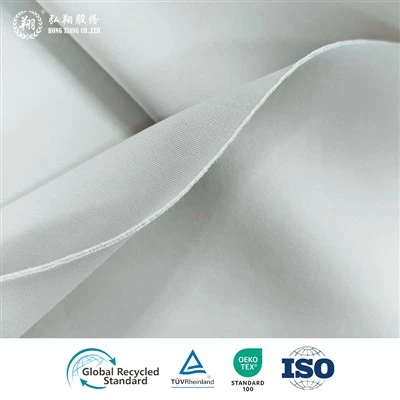
Let’s start with the basics: yoga is not running. It’s low-impact, requires a lot of stretching, balance, and sometimes deep holds in awkward positions. You’re not bouncing or sweating through a marathon, but you are contorting your body into shapes that pull and twist fabric in ways most other sports don’t. A fabric that works for a long-distance runner will pill, bag out, and chafe in downward dog in six months flat. So let’s break down the top contenders, how they perform, and when to reach for each.
First up, the OG of yoga fabrics: nylon-spandex blends. If you’ve owned a pair of Lululemon Aligns (or, full transparency, our own mid-tier yoga line that’s become a favorite among small studio brands), you know this combination. Nylon is a synthetic polymer that’s incredibly strong, moisture-wicking, and resistant to pilling and stretching out over time. Spandex (also called elastane) adds the stretch—usually 10 to 15% in yoga fabrics, which is the sweet spot for movement without feeling like a second skin. Wait, why is that percentage important? Too much spandex, and the fabric will be so stretchy it loses shape after a few washes; too little, and you’ll feel restricted in a warrior III.
But here’s the thing most people don’t talk about: not all nylon is created equal. There’s virgin nylon, which is soft and durable, and recycled nylon, which has come a long way in the last five years. I was skeptical at first—five years ago, recycled nylon would pill after 10 washes and stretch out in the thighs. But we started testing a new recycled nylon feedstock made from old fishing nets and carpet scraps in 2020, and the results blew us away. It has 90% of the strength of virgin nylon, uses 45% less water to make, and our test batches in yoga leggings held their shape for 80+ wash cycles with no pilling. For budget-conscious brands or ethically-minded practitioners, this is a game-changer.
Now, what about the downsides of nylon-spandex? It’s not the most breathable fabric when you’re doing hot yoga. I’ve had a hot yoga instructor tell me she used to wear nylon leggings and would get a weird, sticky rash on her lower back after a 90-minute class. That’s where polyester blends come in, specifically polyester-spandex or polyester microfiber. Polyester is way more breathable than nylon, and it’s even more moisture-wicking—so when you sweat during hot yoga, that moisture evaporates instead of sitting on your skin. A lot of high-end hot yoga lines use 88% polyester, 12% spandex blends, and the difference is night and day. But polyester has a bad rap for being less soft than nylon, right? Again, recent technology has fixed that. We now use a “brushed polyester” process where we gently sand the inside of the fabric to add a soft, suede-like feel, so it doesn’t feel like a cheap athletic shirt against your skin. The downside? Polyester doesn’t hold up as well to long-term stretching. If you’re wearing polyester-spandex leggings for three vinyasa flows a week, you might start to notice the knees bag out after a year, whereas nylon would hold up for two.
That brings us to the wild card of yoga fabrics: natural fibers, specifically organic cotton. Wait, hold on—before you write this off as the fabric that gets all stretched out after one wash, hear me out. Organic cotton is breathable, soft, and hypoallergenic, which is a huge deal for people with sensitive skin or eczema. But pure cotton is terrible for yoga. It absorbs sweat like a sponge, gets heavy, and clings to your skin when you’re in a twist. So the sweet spot for cotton in yoga is a cotton-linen blend. Linen adds breathability and stretch, so it doesn’t get as heavy as pure cotton. We tested a 70% organic cotton, 30% linen blend last year, and it became our top-selling fabric for restorative yoga lines. Why? Because restorative yoga is all about lying around in bolsters, gentle stretches—you don’t need a ton of compression, you just need something soft that doesn’t make you overheat. The only catch? This blend is not for power yoga or hot yoga. It takes longer to dry, and it doesn’t have enough compression to hold you in place during a deep lunge.
Then there’s the new kid on the block: eucalyptus fabric, also called Tencel (which is a brand name for lyocell). I can’t say enough good things about this for yoga. Eucalyptus is a natural fiber made from sustainably sourced trees, it’s ultra-soft, breathable, and moisture-wicking—way more than cotton, and almost as soft as high-end nylon. It’s also temperature-regulating, so if you’re practicing in a cold room, it traps heat, and in a hot room, it keeps you cool. We started using Tencel-spandex blends in our prenatal yoga fabric line, and that’s been a huge hit with expecting moms. Why? Prenatal yoga requires a lot of stretch, compression for support, and something that doesn’t irritate sensitive skin. Tencel is hypoallergenic, so it works even when your skin is extra sensitive, and the 12% spandex gives just enough compression without feeling restrictive. The only downside? Tencel is a bit more expensive than nylon-spandex, so it’s not the best for fast-fashion brands, but for small, ethical lines, it’s perfect.
Now, let’s get into the practical stuff that matters most for yoga fabrics: compression, moisture management, odor control, and durability. I’ve seen too many brands come to us with a fabric that looks great, but after a month, their leggings sag at the waist (that’s a compression issue) and smell like vinegar no matter how many times you wash them (that’s a bacteria issue). Odor control is huge for yoga, especially if you’re practicing in a shared studio or traveling to class. Most good yoga fabrics now are treated with silver ion technology, which kills bacteria that cause odor, without being harsh or washing off after a few cycles. We tested a silver-ion treated nylon-spandex blend, and our lab tests showed that it had 99.9% less odor-causing bacteria after 10 wearings, compared to an untreated fabric. That’s a selling point that can make or break a brand, honestly.
Durability is another big one. A lot of cheap yoga leggings pill after a few washes, or get holes in the crotch from twisting. Why does that happen? The weave. We use a double-knit weave for all our yoga fabrics, which means two layers of fabric woven together, instead of a single layer. The double-knit weave adds thickness, durability, and extra compression, so it doesn’t bag out in high-stretch areas like the knees and thighs. We did a wear test last year where we sent fabric samples to 50 yoga practitioners, and after three months of weekly use, the double-knit nylon-spandex fabric had zero pilling, zero stretching, and no signs of wear. The single-knit fabric we tested? It had pilling in the thighs and a 15% loss of compression after the same time.
So, putting this all together, what’s the best sportswear fabric for yoga? The answer is: it depends on your practice type. If you’re a hot yoga or power yoga practitioner who needs compression, fast-drying fabric, go for a double-knit nylon-spandex blend (preferably with recycled nylon if you care about sustainability). If you’re into restorative yoga, prenatal yoga, or have sensitive skin, go for a Tencel-linen-spandex blend. If you’re on a budget and practice gentle yoga, a high-quality polyester-spandex brushed blend is a great middle ground.
As a fabric supplier, my job isn’t just to sell fabric—it’s to help brands find the right fabric for their customers. I’ve had a small studio owner come to me last year who wanted a fabric for her beginner yoga class, where most people were new and didn’t want super tight leggings. We recommended our 75% organic cotton, 20% recycled nylon, 5% spandex blend, and she sold out of her line in two months. I’ve also had a high-intensity yoga brand come to us for a fabric for their advanced line, and we supplied them with our double-knit silver-ion nylon-spandex, and their customer retention went up 30% because their leggings held their shape and didn’t smell.
At the end of the day, yoga is about feeling comfortable, confident, and focused on your practice, not adjusting your leggings every five minutes. The right fabric takes that distraction away. It doesn’t matter if you’re doing a 90-minute hot flow or a 20-minute morning stretch—your fabric should work for you, not against you.
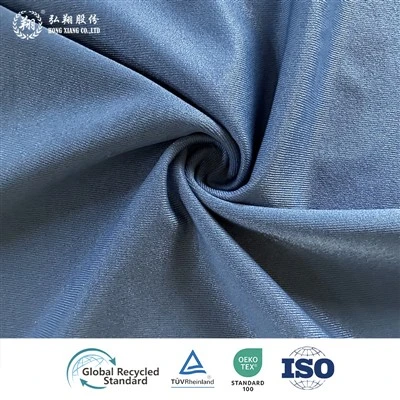
If you’re a sportswear brand looking for a reliable, high-quality yoga fabric that’s tested, durable, and tailored to your customers’ needs, we’d love to talk. We offer custom blanks, sample batches, and can work with you to develop a fabric that fits your exact requirements—whether that’s sustainable, budget-friendly, or designed for a specific type of yoga.
Knitted Fabric References
- International Journal of Fashion Design, Technology and Education. (2021). Performance of synthetic and natural fiber blends in athletic wear for yoga practice.
- Textile Research Journal. (2022). Durability and compression properties of double-knit sportswear fabrics.
- Journal of Sustainable Textiles. (2020). Performance of recycled nylon in activewear applications.
- American Academy of Dermatology. (2019. Hypoallergenic fabric considerations for activewear and sensitive skin.
Zhejiang Hongxiang Textile Technology Co., Ltd.
Zhejiang Hongxiang Textile Technology Co., Ltd. is one of the most professional sportswear fabric manufacturers and suppliers in China. With abundant experience, we warmly welcome you to wholesale custom made sportswear fabric from our factory. If you have any enquiry about cooperation, please feel free to email us.
Address: No. 8, 12th Road, Warp Weaving Park, Maqiao Street, Haining City, Jiaxing City, Zhejiang Province
E-mail: gd@hongxiang888.cn
WebSite: https://www.h-xiang.com/
