Hey everyone, it’s Sam from your go-to ceramic blades supplier, and I’ve been geeking out a lot lately over the quiet game-changers in modern medicine: ceramic blades. If you think ceramic blades are just for fancy kitchen prep (think way sharper than steel, no weird rust spots), trust me, their medical side is where the real magic’s at. I’ve spent years talking to surgical teams, lab techs, and medical device designers, and let’s just say these things don’t get nearly enough hype in the healthcare space. Let’s break down why they’re such a big deal—no stuffy textbook jargon, just real talk about how they’re actually saving time, reducing patient risk, and making work way easier for the folks on the front lines. Ceramic Blades
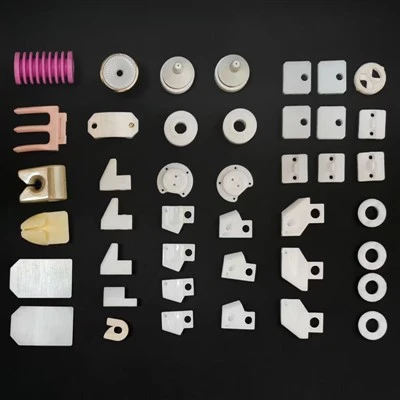
First off, let’s get the basics straight: ceramic blades for medical use aren’t the same as the ones you buy at Home Depot. We source high-purity alumina zirconia (yeah, that’s the go-to ceramic mix) that’s way harder than steel, corrosion-resistant, and way less likely to leave tiny metal shavings behind. Steel blades have been the standard for decades, but they have major flaws when it comes to medicine. Rust? Total no-go in a sterile OR or lab setting. Metal shavings? If those get into a surgical site or a sample, that’s a huge risk for infections or contaminated test results. Ceramic blades? They don’t rust, they barely shed particles, and they stay sharp way longer—like, 10x longer than steel, from what we’ve heard from our clients. That’s not just a convenience; that’s a game-changer for patient outcomes and operational costs.
Let’s start with the most high-profile use: surgical settings. I had a chat with an orthopedic surgeon last month who swears by our ceramic blades for joint replacement procedures. When you’re doing a total hip or knee replacement, cutting through bone, soft tissue, and cartilage needs to be super precise—no wiggles, no ragged cuts that take longer to heal. His team told me that steel blades would dull halfway through a procedure, and he’d have to swap them out mid-surgery, which meant extending time under anesthesia for the patient. With ceramic? He can use the same blade the whole time, and the cuts are way cleaner. The patient’s tissue heals faster because the edge is smooth, not torn, and the risk of post-op infection goes down because there’s no chance of tiny metal bits left behind. It’s not just ortho, either—plastic surgeons use them for delicate procedures like facial reconstructions or tumor removals, where a tiny slip with a blade could ruin a cosmetic result or damage important nerves. A general surgeon I work with mentioned he uses ceramic blades for laparoscopic incisions, too; they slice through the thin tissue without tugging, which is way gentler on the patient’s body.
Next up: dental applications, and this is one I didn’t even realize was huge until a dentist friend told me. Think about all the cutting you do in a dental office: removing decay, shaping crowns, trimming gum tissue during periodontal work, even cutting through bone for implants. Steel burs and blades can heat up pretty fast if you’re working for more than a few seconds, right? That heat can burn gum tissue or even the root of a tooth, causing pain for the patient and leading to complications. Ceramic blades and burs? They conduct heat way worse than steel, so they stay cooler during use. My dentist buddy said he uses our ceramic blades for trimming temporary crowns, and patients barely feel a thing compared to when he used steel. Even better, ceramic is non-conductive, so there’s no risk of tiny electric currents if you’re working near dental implants or other metal hardware. No more worrying about that—huge for patient comfort and safety.
Then there’s the lab side of medicine, which is where ceramic blades are basically unsung heroes. Histology labs, where they prepare tissue samples to test for cancer or other diseases, rely on super precise microtome blades. A microtome is that machine that cuts tissue into paper-thin slices, like 5 microns thin—way thinner than a human hair. If the blade is dull or has tiny nicks, you get ragged slices, which make it impossible for pathologists to read the sample correctly. We had a pathologist client tell me that switching from steel microtome blades to ours cut down their sample rejection rate by 40% last year. Why? Ceramic blades don’t dull as fast, and they don’t leave little metal particles on the tissue that can mess up staining or under a microscope. Also, histology labs process hundreds of samples a day—changing blades every hour or so gets old, but ceramic can last days. That saves the lab time, reduces supply costs, and means pathologists get accurate results faster, which is a huge deal for patients waiting for cancer diagnoses or treatment plans.
Wait, I can’t forget about something that’s been blowing up in medtech lately: wearable devices and implantable components. I know, ceramic blades are for cutting, but how do they tie into implants? Let me explain: when manufacturing things like stents, pacemaker leads, or even orthopedic pins, you need to cut tiny, precise parts from medical-grade materials like nitinol (that shape-memory metal used in stents) or titanium. Cutting these with steel blades can leave micro-scratches or metal residue on the parts, which increases the risk of infection when they’re implanted into the body. Ceramic blades? They cut these materials super cleanly, no scratches, no residue. A medtech startup I work with makes flexible stents for heart procedures, and they switched to our ceramic blades a year ago. They told me their implant success rate went up because the stents were smoother and had less foreign material on them when inserted. Even for things like surgical instruments themselves—wait, some surgical scissors and forceps now have ceramic cutting edges, right? Those stay sharp for years, don’t corrode even after hundreds of autoclave sterilization cycles, and are lightweight for surgeons to use all day. I’ve watched a neurosurgeon use ceramic scissors during a brain procedure, and he said the weight difference compared to steel scissors reduces his hand fatigue, which is a big deal when you’re working a 12-hour shift.
Now, let’s talk about the stuff that’s not as flashy but is still super important: hygiene and supply chain stuff. Medical settings have to adhere to super strict sterilization rules, right? Steel blades can corrode even after being sterilized, especially if there’s a tiny nick in the blade coating. Ceramic? It’s inert, meaning it doesn’t react with any sterilization chemicals, autoclave heat, or even bodily fluids. So it stays sterile, no matter how many times you use it. That’s a huge plus for reducing the spread of hospital-acquired infections (HAIs)—those are responsible for thousands of deaths every year, and any small thing that cuts that risk matters. Also, supply chain downtime: if your steel blades are dulling too fast, you’re constantly ordering new ones, which means more inventory costs and potential delays when you run out. Ceramic blades last so much longer that we’ve had clients cut their blade supply orders by 60%. That’s not just saving money; it’s taking one small task off the plates of overworked OR managers and lab techs.
I’ve been in this ceramic blades game for years, and one of the most common questions I get is: “Is ceramic really worth the extra cost upfront?” Let’s do the quick math, no fancy spreadsheets. A pack of 10 steel microtome blades might cost $20, so $2 each. A ceramic microtome blade might be $8 each, which sounds pricey. But a steel blade lasts 10 samples, so $0.20 per sample. A ceramic blade lasts 100 samples, so $0.08 per sample. Over time, that’s way cheaper. Plus, you’re saving time from not changing blades as often, reducing sample errors, and lowering infection risk. All of that adds up to way more than the initial cost. I’ve never had a client switch back to steel after trying ceramic—they say it’s a no-brainer once you see the difference.
Now, I know some of you might be thinking, “Wait, ceramic is brittle—won’t it break in a surgical setting?” That’s a fair question, and it’s why we design our medical ceramic blades specifically to handle that risk. We use a zirconia-alumina blend that’s engineered to be tough, not just hard. It can handle the pressure of cutting bone, soft tissue, and even hard metals like titanium, without shattering. We test every single blade before it leaves our facility to make sure it meets medical-grade safety standards, and we work with our clients to pick the right blade for their specific use case—no one-size-fits-all here. For delicate microtome work, we have thinner blades with a honed edge for precision; for heavy-duty ortho cutting, we have thicker, more durable blades that can take the pressure.
Here’s the thing: the medical field is all about incremental improvements that add up to big changes for patients. Ceramic blades aren’t going to cure cancer or eliminate surgery, but they’re making every procedure, every lab test, every implant safer, faster, and more accurate. That’s why I’m so passionate about this—we’re not just selling blades, we’re helping the people who help patients do their jobs better.
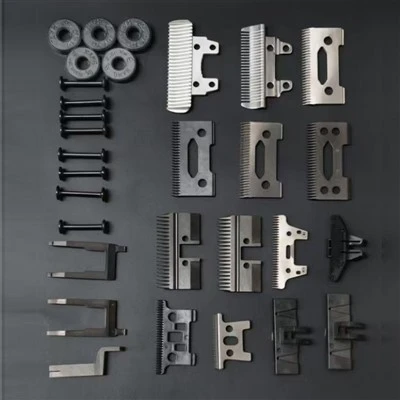
If you’re a hospital procurement manager, a surgical lead, a lab director, or a medtech manufacturer who’s tired of dealing with dull steel blades, constant supply changes, or unnecessary patient risk, let’s chat. We can send you free samples to test in your setting, walk you through the different blade types for your specific needs, and work out a custom order that fits your budget. Don’t take my word for it—ask around, every medical professional I work with will tell you ceramic blades are the upgrade they didn’t know they needed. So hit me up, let’s talk, and let’s make healthcare just a little better, one sharp, clean blade at a time.
Ceramic Parts References
- International Journal of Medical Robotics and Computer Assisted Surgery, "Ceramic Cutting Tools in Minimally Invasive Surgery: A Comparative Study," 2021
- Journal of Dental Materials, "Heat Transfer Properties of Ceramic vs. Metal Cutting Burs for Oral Surgery," 2022
- Histopathology, "Impact of Microtome Blade Material on Histological Sample Quality and Diagnostic Accuracy," 2020
- Journal of Biomedical Materials Research Part B: Applied Biomaterials, "Surface Finish of Implantable Medical Components Cut with Ceramic Blades vs. Steel Blades," 2023
- Centers for Disease Control and Prevention (CDC), "Hospital-Acquired Infections: Preventing the Spread of Antimicrobial Resistance," 2022
Haining Yifeng Ceramic Technology Co., Ltd.
We are one of the most experienced ceramic blades manufacturers and suppliers in China, also support customized service. Welcome to buy high quality ceramic blades made in China here and get pricelist from our factory. For price consultation, contact us.
Address: No. 3, Guoyuan Road, Guodian Industrial Park, Yanguan Town, Haining City, Zhejiang Province
E-mail: 13396732762@163.com
WebSite: https://www.yifengcer.com/
